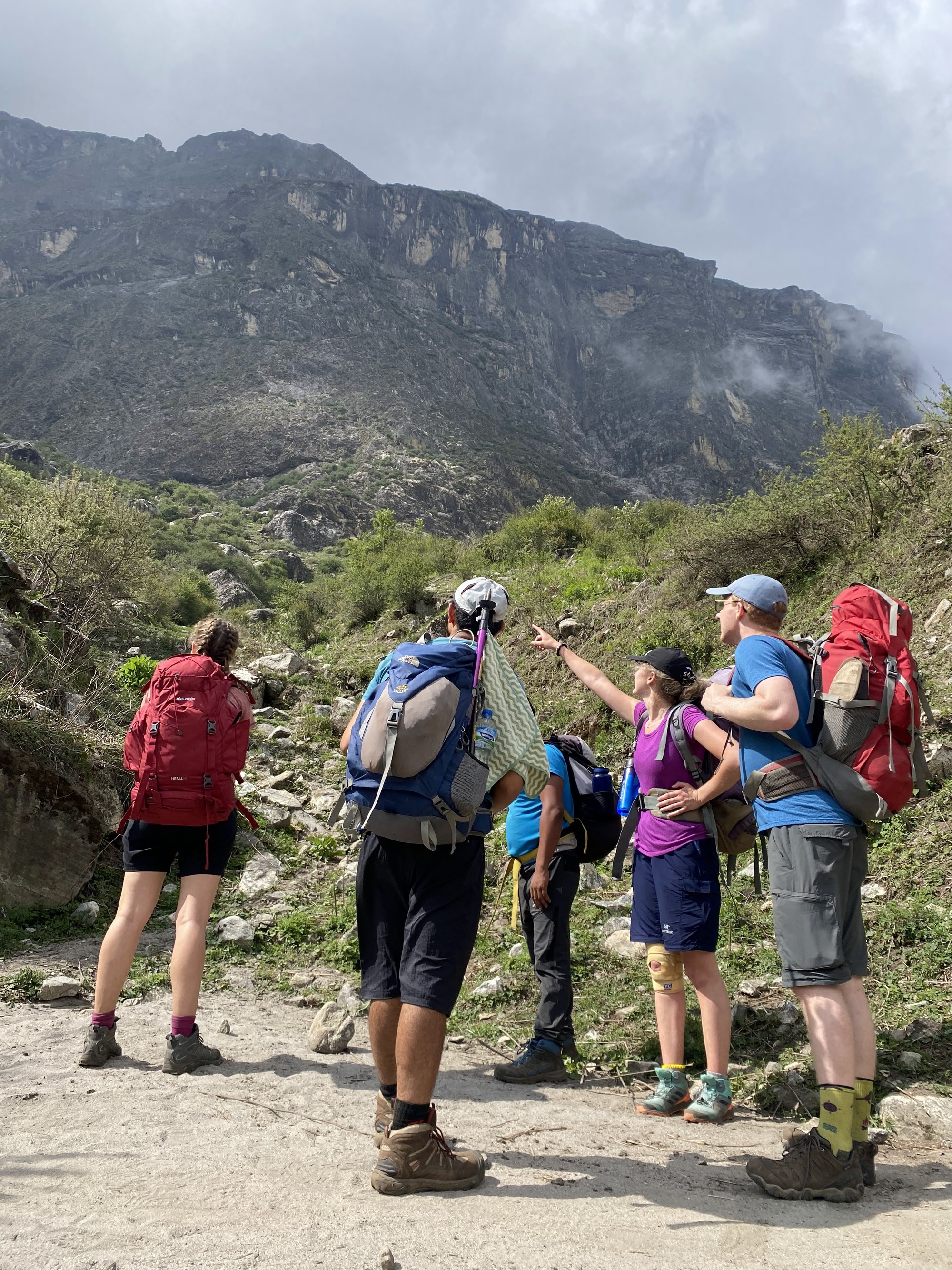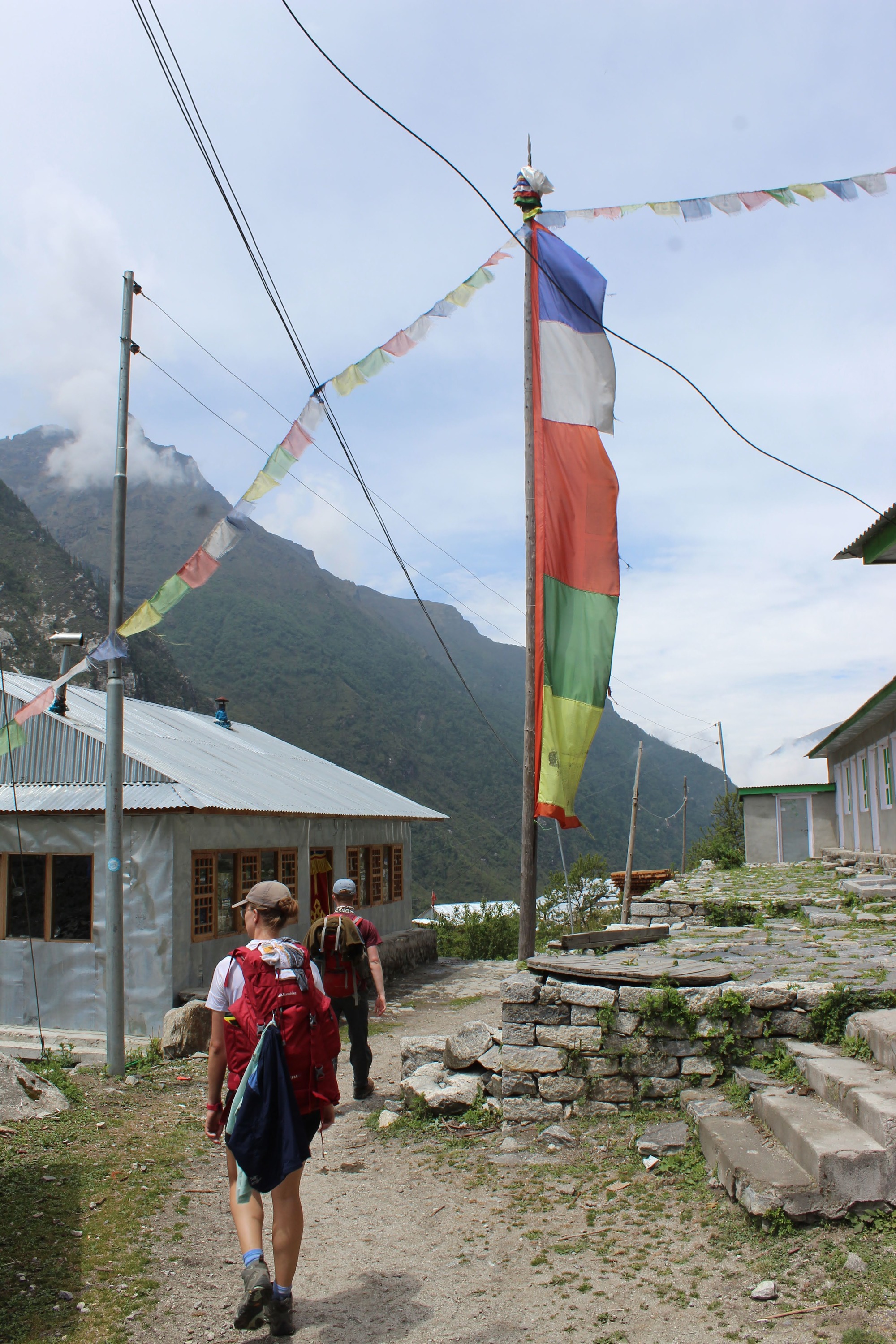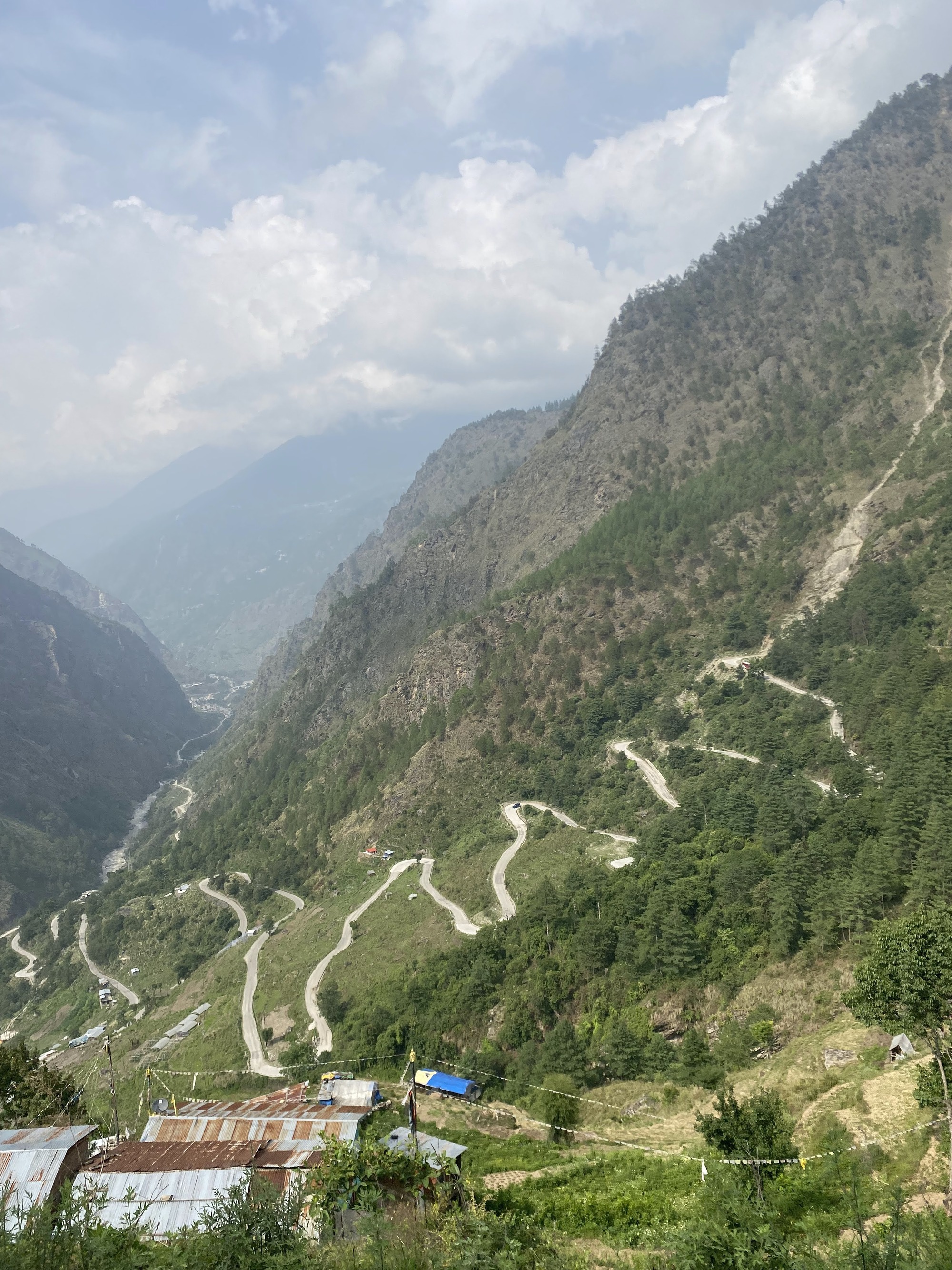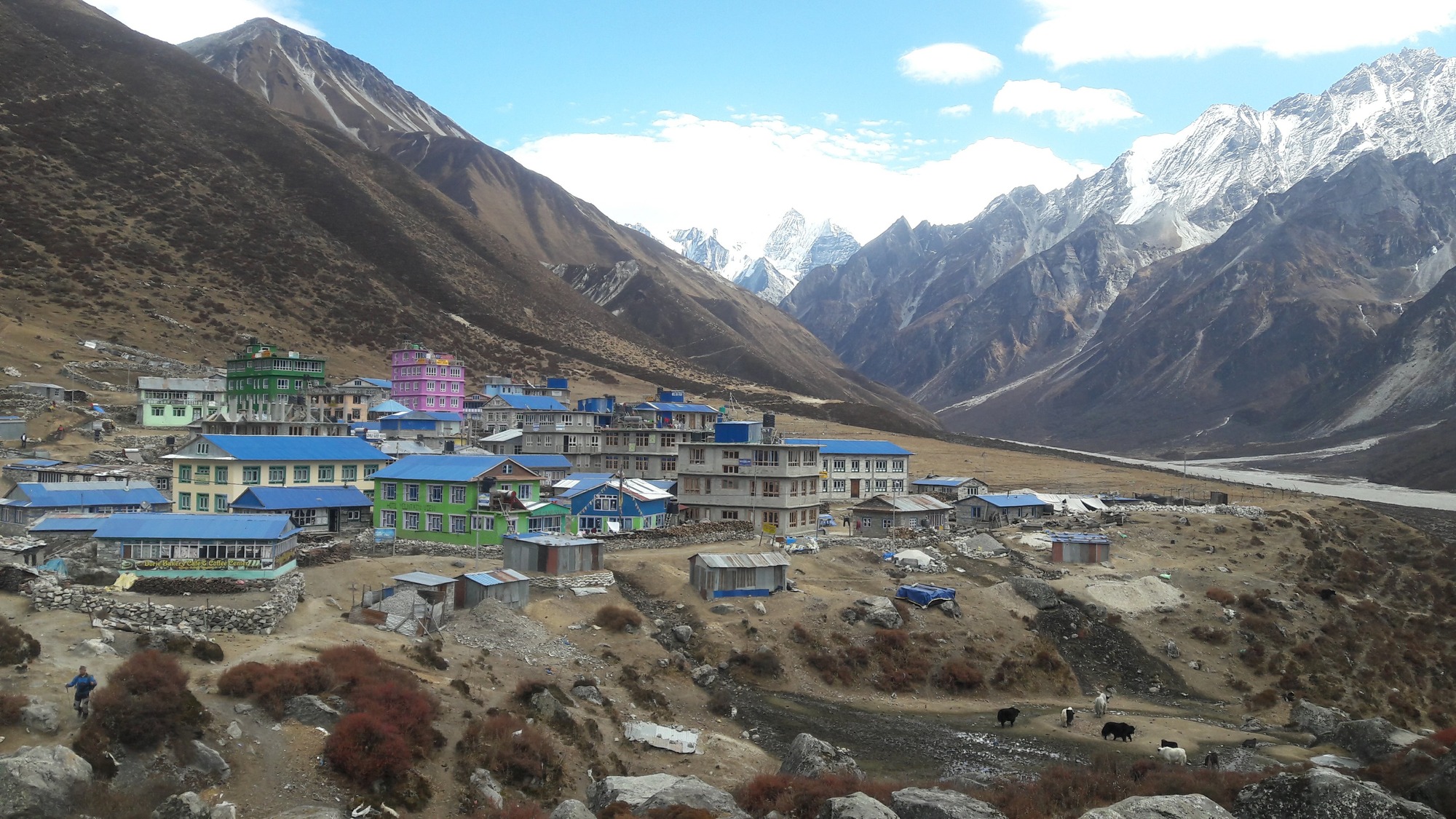
LANGTANG HIMAL PANORAMA TREKKING
Langtang Himal
0/5
0% of guests recommend
Duration
7 Days 12 Hours
Tour Type
Langtang Trekking
Group Size
20 persons
Location
Nepal
Overview
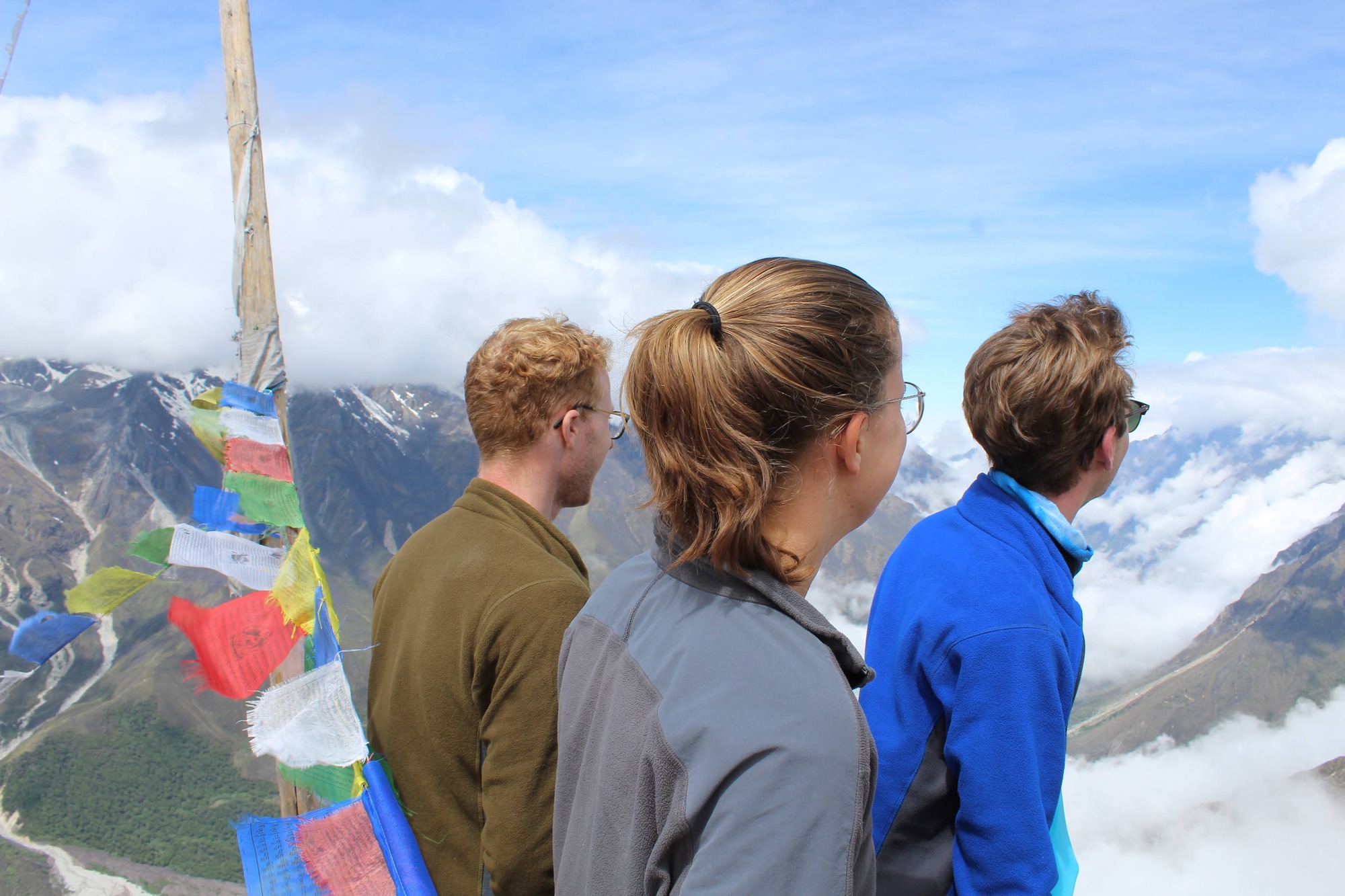
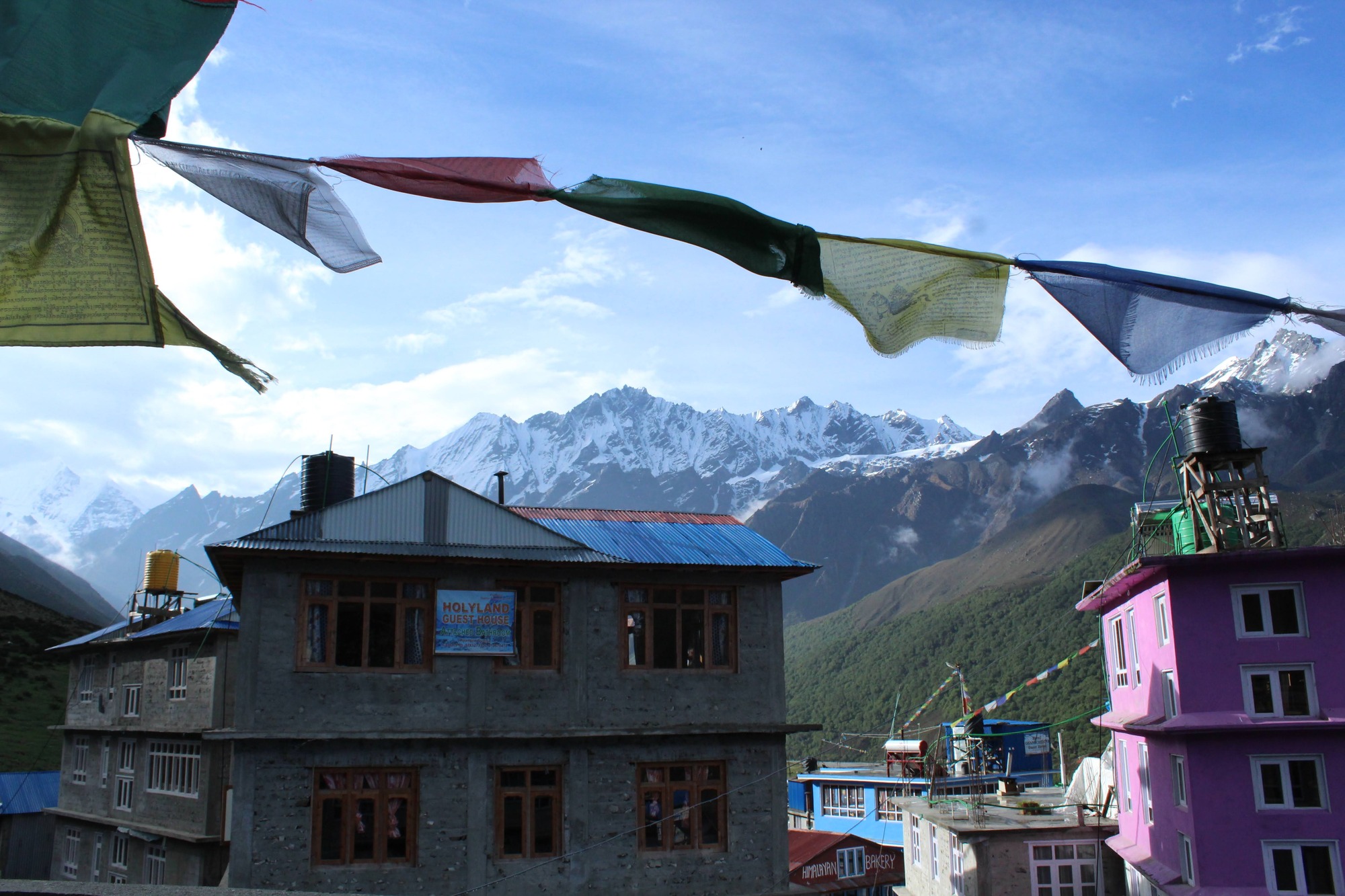
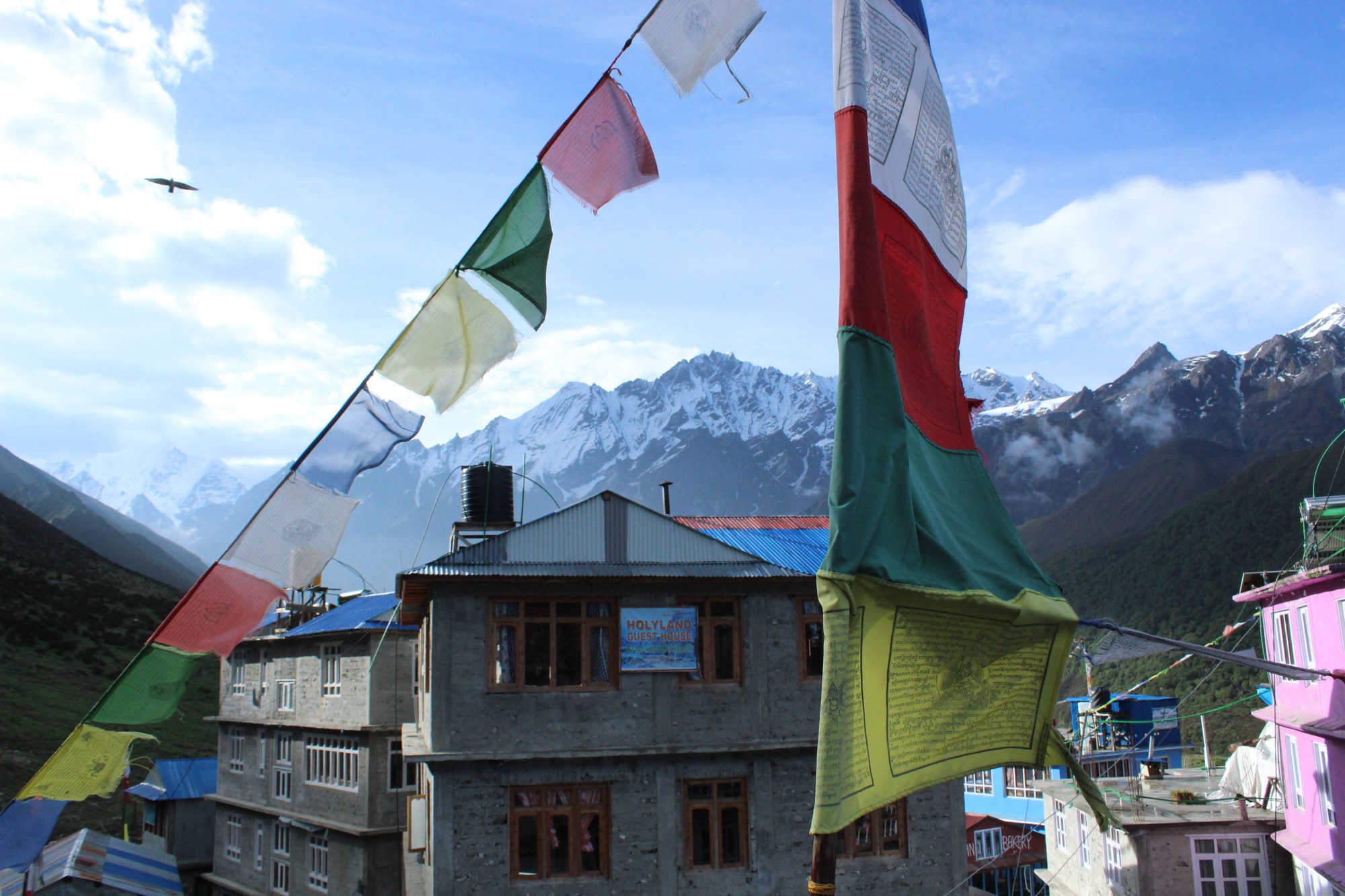
“Trekking within the first mountain National Park of Nepal Himalaya ever to be established Glorious Mountain panorama of Central Himalaya from beautiful Langtang Valley Walk into beautiful hill forest covered with rhododendron-oak and pine trees. Daily views of Langtang and Ganesh, with the Jugal Himal range's high peaks, low, warm paddy fields, and cooler alpine hills, a great change of temperatures. Explore traditional farm villages of the Tamang people, the indigenous hill tribes."
MAJOR HIGHLIGHTS OF LANGTANG HIMAL PANORAMA TREKKING
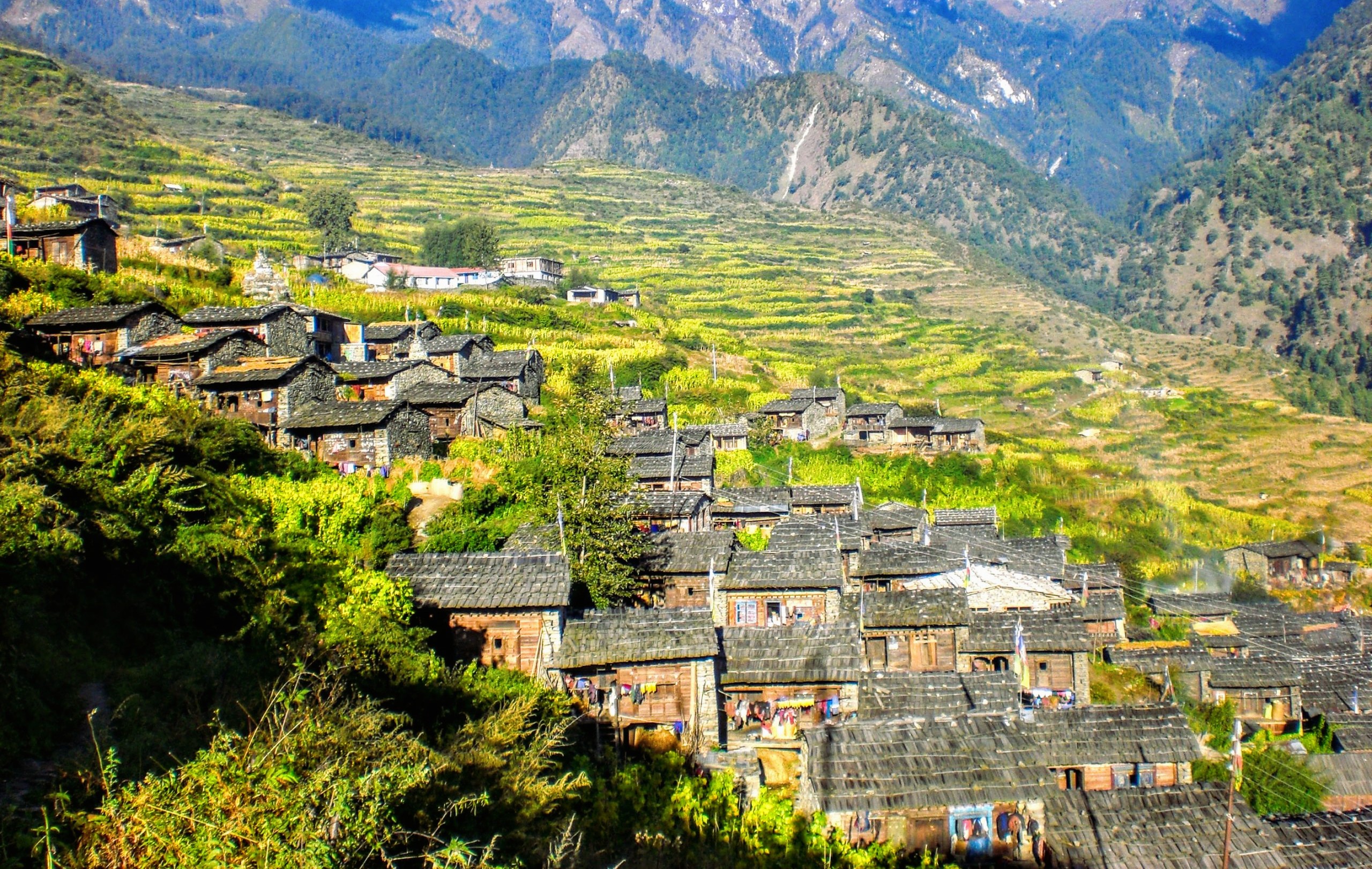
Langtang Valley Exploration
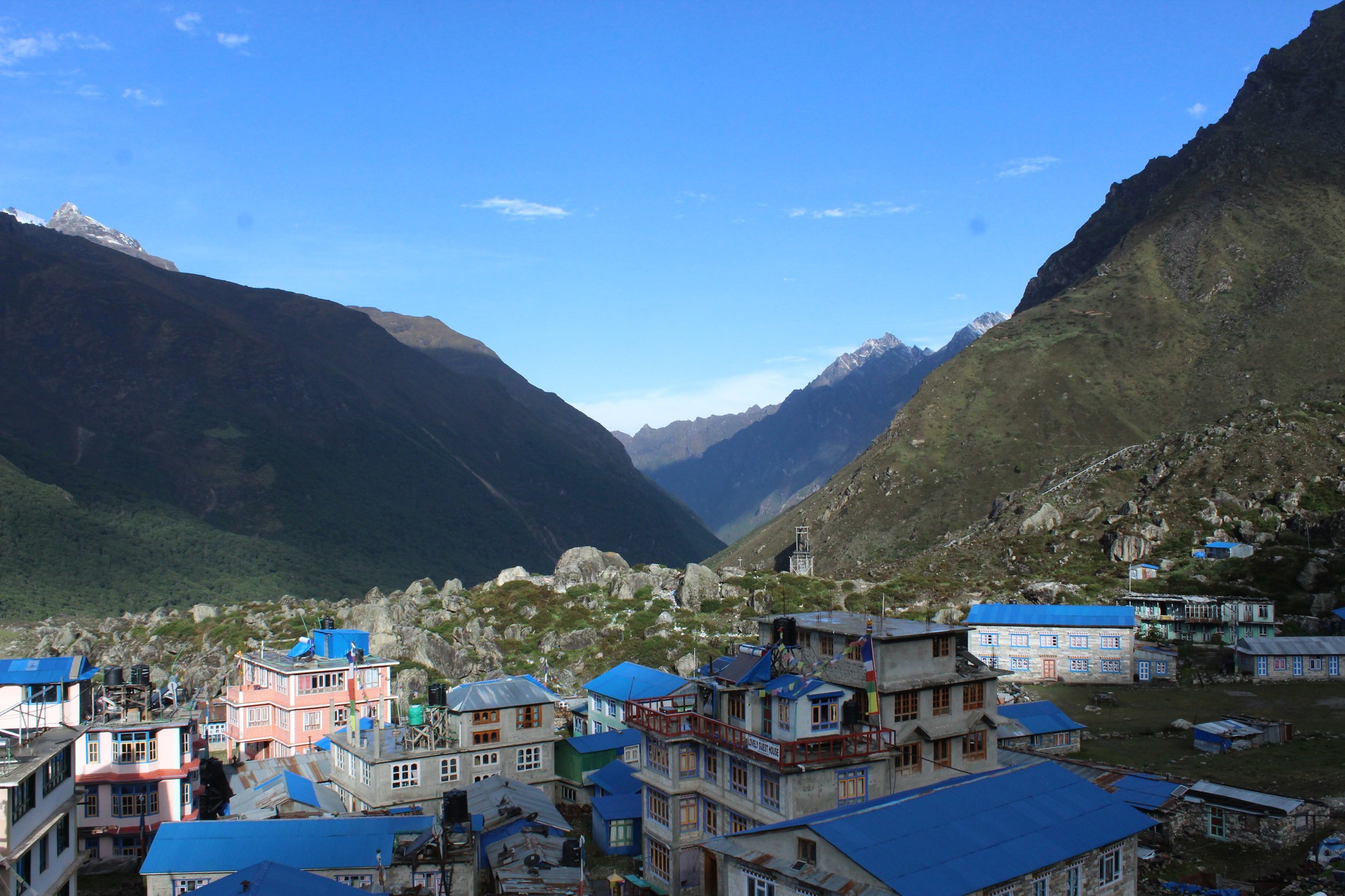
Discover the stunning Langtang Valley, also known as the "Valley of Glaciers," surrounded by towering snow-capped peaks.
Panoramic Mountain Views
Enjoy breathtaking views of Langtang Lirung (7,234m), Ganesh Himal, Dorje Lakpa, and other Himalayan peaks.
Kyanjin Gompa
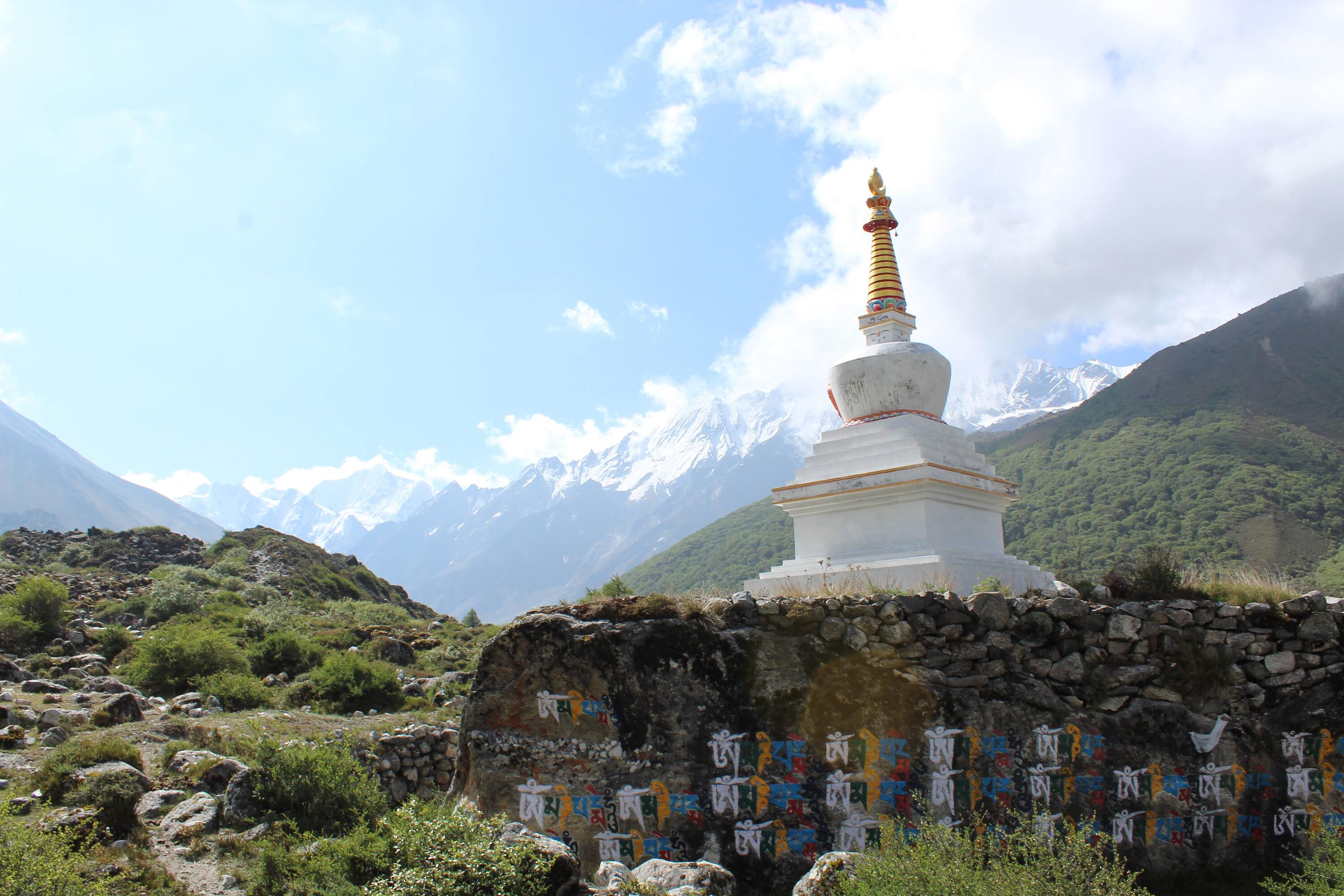
Visit the famous Kyanjin Gompa monastery, a spiritual hub in the Langtang region, offering incredible vistas.
Tamang Heritage Culture
Experience the warm hospitality of the Tamang people, along with their unique traditions, culture, and lifestyle.
Lush Landscapes
Trek through verdant forests of rhododendron, oak, and bamboo, with chances to spot wildlife like red pandas and langurs.
Langtang National Park
Explore Nepal’s first Himalayan national park, home to diverse flora and fauna, including rare orchids and exotic birds.
River Valleys and Glaciers
Walk alongside the Langtang River, where you will encounter glacial moraine and icefalls closely.
Scenic Village of Lama Hotel
A charming stop along the trail offering a peaceful ambiance amidst natural beauty.
Tserko Ri Viewpoint (4,984m)
A challenging yet rewarding ascent for panoramic sunrise views over the Himalayan range.
Access and Proximity
Convenient starting point from Kathmandu with a scenic drive to Syabrubesi, the gateway to the Langtang region.
Healing Energy
The trek is spiritually enriching, offering serenity and tranquility amidst Himalayan grandeur.
Moderate Difficulty Level
A perfect option for trekkers with moderate fitness levels looking for a shorter Himalayan adventure.
|
Mode of Trekking: |
Hotels and in lodge on walks. |
|
Trek Grade: |
Moderate with ups and downhill walks. |
|
Area of Trek: |
Nepal Central Himalaya around Langtang region. |
|
Highest Altitude Gain: |
At Kyanjin 3, 750 m high around Langtang Valley. |
|
People and Culture: |
Mainly populated by Tamang people enriched with Buddhist religion with impressive traditional culture. |
|
Trek Duration: |
07 Nights and 08 Days (with driving both ways) |
|
Average walks: |
Minimum 4 hrs to Maximum 6 hrs or more. |
|
Total Trip: |
7 Nights and 8 Days from Kathmandu to Kathmandu. |
|
Seasons: |
All months of the year except monsoon times from June to August, and March to May are good for treks when wild-flowers in full bloom, where most of the days are clear for views Morning and Night time as well in shade will be cold without wind-chill factor, October to December another best months to trek when day is clear, but short sunlight hours due to autumn and winter months will be very cold morning/night times with chances of snow. |
INTRODUCTION - LANGTANG HIMAL PANORAMA TREKKING
Langtang Himal Panorama Trekking is a great way to spend a week's holiday within the Central Himalaya range of mountains where people of all age-group including family, school-collage from young to teenage as well as interested corporate people.
Langtang Himal Panorama Trekking is a beautiful walk that leads you to the heart of Langtang Himal situated directly north of the capital as crow flies distances of 32 k.m. and the nearest mountain range from Kathmandu valley.
Langtang Himal Panorama leads you to a pleasant walk, however facing ups and downhill which is the nature of Himalayan landscapes, with some gradual paths to walk encountering lovely deep alpine forest filled with tall rhododendron-oaks-magnolia-pines-birch and fir trees with some bamboo grooves, which makes excellent habitats for rare and endangered Red Panda often seen on walks.
Langtang Himal Panorama starts with an exciting drive on leaving Kathmandu Valley heading due north to reach cooler areas in Dhunche the main headquarters town of Rasuwa district within Langtang Himal, as well as the start of Nepal's first mountain Langtang National Park.
As the drive ends at Syabrubesi village in the country of indigenous Tamang people the tribe of Langtang Himal is interwoven with rich Buddhist religion and colorful culture which you will witness on walks through many farm villages within high hills and valleys of Langtang Himal.
Finally after walking into a deep river gorge covered with woodland then enter a wide open field at Kyajin, situated within beautiful Langtang Valley, here with great times enjoying views and a short hike to the view-point hill of Kyanjin-Ri or Tsego Ri for fantastic eye-catching mountain panorama.
After a marvelous and interesting time around Langtang Valley walk back to the roadhead for an exciting drive to Kathmandu with memorable and remarkable moments and experiences on Langtang Himal Panorama Trekking.
PACKING LIST FOR LANGTANG HIMAL PANORAMA TREKKING
Here is a comprehensive packing list for Langtang Himal Panorama Trekking, categorized for better organization:
1. Clothing
- Base Layers:
- Moisture-wicking thermal tops and bottoms (2-3 sets).
- Trekking Shirts:
- Lightweight, quick-dry shirts (3-4).
- Trekking Pants:
- Comfortable, water-resistant trekking pants (2-3 pairs).
- Insulating Layers:
- Fleece jacket or down jacket for warmth.
- Outer Layer:
- Waterproof and windproof jacket and pants (Gore-Tex recommended).
- Innerwear:
- Comfortable undergarments (4-5 pairs).
- Warm Layers:
- Wool or fleece sweater for evenings.
- Gloves:
- Warm, insulated gloves and lightweight inner gloves.
- Headwear:
- Warm hat/beanie and sun hat/cap.
- Buff or Scarf:
- For protection against wind and dust.
- Socks:
- Thermal and moisture-wicking trekking socks (5-6 pairs).
2. Footwear
- Trekking Boots:
- Sturdy, waterproof, and well-broken-in boots.
- Camp Shoes:
- Lightweight sandals or sneakers for evening use.
- Gaiters:
- Optional, for snow or muddy trails.
3. Sleeping Gear
- Sleeping Bag:
- Warm sleeping bag (rated for -10°C to -15°C).
- Sleeping Bag Liner:
- For added warmth and hygiene.
4. Backpack and Bags
- Daypack:
- 25-35L for carrying essentials during the day.
- Duffel Bag or Backpack:
- For porters to carry (60-80L).
- Rain Cover:
- For backpacks to protect against rain.
5. Trekking Essentials
- Trekking Poles:
- Adjustable, lightweight poles.
- Hydration System:
- Reusable water bottles (2-3L) or a hydration bladder.
- Water Purification:
- Tablets or filter for treating water.
- Headlamp:
- With extra batteries for early mornings or evenings.
- Sunglasses:
- UV-protected and polarized.
- Trekking Map/Guidebook:
- Handy for navigation.
6. Personal Items
- Toiletries:
- Biodegradable soap, toothpaste, toothbrush, shampoo, and face towel.
- Wet Wipes and Hand Sanitizer:
- For hygiene in remote areas.
- Toilet Paper:
- Always carry enough as it might not be available in lodges.
- Lip Balm and Sunscreen:
- High SPF to protect against sunburn.
7. First Aid and Medications
- Personal Medications:
- Prescribed medications, if any.
- First Aid Kit:
- Including band-aids, antiseptic cream, pain relievers, anti-diarrheal, blister care, etc.
- Altitude Medication:
- Diamox (consult your doctor beforehand).
8. Snacks and Supplements
- Energy Bars:
- Protein bars, nuts, and trail mix.
- Electrolytes:
- Hydration salts or powders.
- Comfort Snacks:
- Chocolate, candies, or favorite snacks.
9. Electronics and Gadgets
- Camera:
- To capture the stunning scenery.
- Power Bank:
- At least 10,000mAh for charging devices.
- Adapter/Charger:
- Universal adapter for Nepal.
10. Miscellaneous
- Travel Documents:
- Passport, visa, trekking permits, and travel insurance.
- Cash:
- In small denominations (Nepalese Rupees).
- Notebook and Pen:
- For journaling or sketching.
- Reusable Bags:
- For dirty clothes or organizing items.
Included/Excluded
Three times meals (breakfast,lunch,dinner) breakfast with hot drinks . accommodations during trekking tea house basis
transportation to trekking starting point and from ending point to kathmandu (airport pick up and drop )
All necessary permits for trekking
7 nights’ accommodation during the trek (Twin Sharing Base)
duffels bags , sleeping bags , down jackets if you needed
first aid box , water purified pills
Staff insurance, well-paid salary, equipment, food, Hotel, etc.
Certificate of achievement .
Farewell dinner in Nepali restaurant in Thamel before you depart from Nepal.
An airport transfer as per your departure date and time
International airfare, Nepal visa fee and any kind of insurance
Insurance
Bar bills and extra foods and hot drinks , drinking water
wifi, hot showers, local entrance fees, donations, mobile or power bank charge
tips for guide and porters (expected)
Hotel in kathmandu (for not included on price )
Local entrance fees and donation .
Itinerary
DAY 1
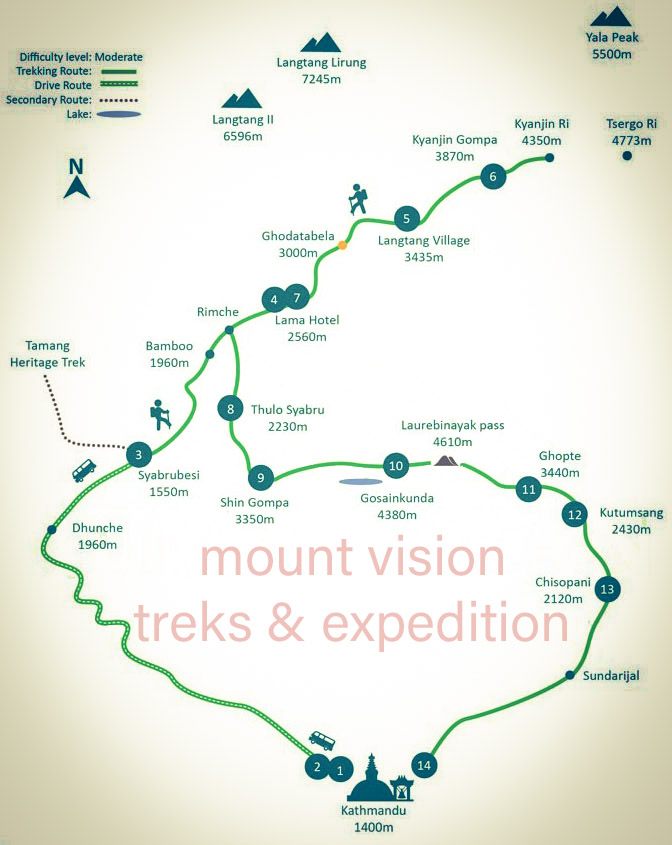
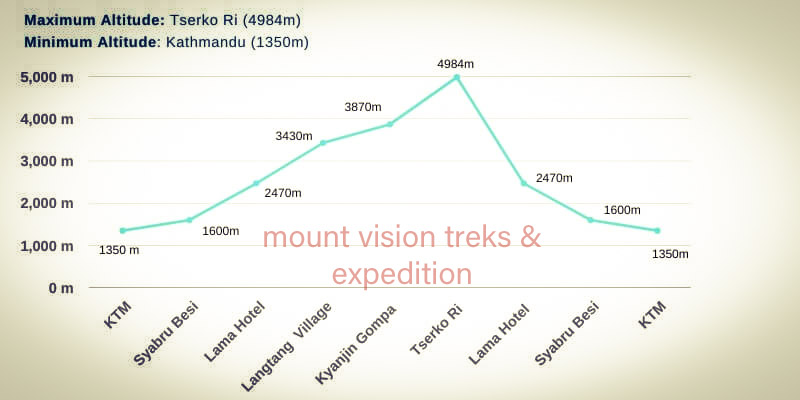
DRIVE TO SYABRUBENSI FROM KATHMANDU Dist-(122km) Time-(7,8hours)
DAY 1
DRIVE TO SYABRUBENSI FROM KATHMANDU Dist-(122km) Time-(7,8hours)
The bus ride from Kathmandu to the beginning point of the Langtang Valley Trek takes 7 or 8 hours.
That's not to imply it's boring, on the contrary! You might be lucky enough to witness whitewater rafters navigating the formidable rapids while traveling down the Trisuli River. But glance up—the mountains are greeting you already. Ganesh, the Jungal Himal, Langtang, and the Manaslu Massif tower over Trisuli Bazaar.
Be ready because the road gets a little rocky from here. After traveling about 50 km (31 miles) to Dhunche, we continue on for another 15 km (9 miles) to Syabrubensi, where we spend the night before starting the actual trek the next day.
DAY 2
TREK TO LAMAHOTEL(2500mtr) FROM SYABRUBENSI Dist-(11km) Time-(5,6hours)
DAY 2
TREK TO LAMAHOTEL(2500mtr) FROM SYABRUBENSI Dist-(11km) Time-(5,6hours)
Immediately following breakfast, the day's hike begins. The trail initially climbs for over two hours, and after an hour of climbing, we reach a bamboo town where we will have lunch. Following that, we go along flat paths where we can see several bird species and beehives perched above the cliffs. To get to the Lama Hotel, where we will spend the night, we will need to climb steeply once more.
DAY 3
LAMAHOTEL TO LANGTANG VILLAGE(3500mtr) Dist-(12km) Time-(6,7hours)
DAY 3
LAMAHOTEL TO LANGTANG VILLAGE(3500mtr) Dist-(12km) Time-(6,7hours)
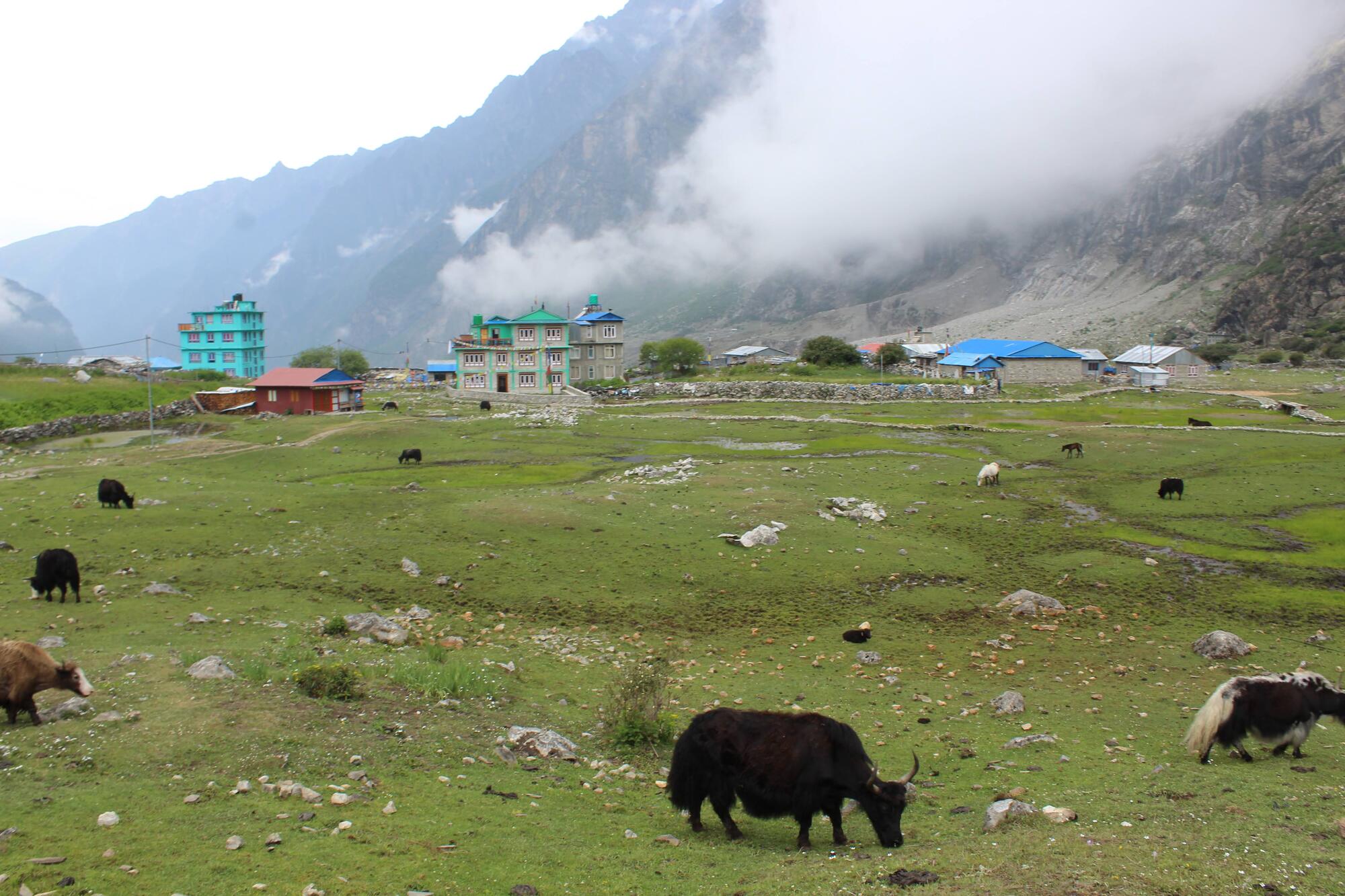
Another walk through a beautiful forest with Langtang Lirung as the backdrop. When we reach Ghora Tabela, the trail enters green meadows, and we can see the Langtang Range stretching on both sides of the valley. Walking on, the valley widens, and we can see herders graze their livestock on the high summer pastures.
Today, there are only temporary settlements and an army post. This was once the teaming village of Langtang, with its many trekkers’ tea houses. Today the area is full of boulders, deprived of life after the 2015 earthquake.
Walking for half an hour or so, we reach the village of Mundu. Our overnight stop at Mundu is very comfortable, with its more modern buildings and facilities.
DAY 4
LANGTANG TO KYNGIN-GOMPA(3817mtr) Dist-(7km) Time-(3,4hours)
DAY 4
LANGTANG TO KYNGIN-GOMPA(3817mtr) Dist-(7km) Time-(3,4hours)
Today is more of a leisure day since we will visit the Kyangjin Gompa, which is located at an elevation of 3817 meters, by taking a leisurely trek for two to three hours. The Gompa, the trek's last stop, is a tranquil and lovely location where we may enjoy breathtaking views of Mount Langtang Lirung and Mount Ganchhenpo. The primary attractions of this brief excursion are the cheese factory, the monasteries, and the traditional local homes.
DAY 5
DAAY HIKE TO TSERkO-RI(4985mtr) Dist-(9km up and down) Time-(6,7hours)
DAY 5
DAAY HIKE TO TSERkO-RI(4985mtr) Dist-(9km up and down) Time-(6,7hours)
Enjoying the peace and natural beauty of the Gompa region is the focus of this day. We can savor the tranquil surroundings and the breathtaking views of the mountains. We can also ascend to the 4985-meter-high Tserko Ri, which will take us to the Langtang glacier and the stunning Langshisha Kharka yak pasture. It's a difficult day. We'll return to Kyanjin Gompa along the same route and stay at the same hotel for the night.
DAY 6
TREK DOWN TO LAMA HOTEL OR RIMCHE Dist-(18km) Time-(6,7hours)
DAY 6
TREK DOWN TO LAMA HOTEL OR RIMCHE Dist-(18km) Time-(6,7hours)
On this day, we will enjoy a lovely hike along the picturesque trail back to Rimche from Kyanjin Gompa. Day two of the Langtang trek's final day. Walking down is more simpler than climbing. The stroll back will be enjoyable.
DAY 7
TREK BACK TO SYABRUBENSI VIA SHERPAGAUN Dist-(15km) Time-(5,6hours)
DAY 7
TREK BACK TO SYABRUBENSI VIA SHERPAGAUN Dist-(15km) Time-(5,6hours)
On the last day of the adventure, walking back to the starting point from Rimche will be amazing. Instead of walking the same way back to Syrubensi, it is better to walk via Sherpa-gun, which means Sherpa village. after we get to Khangjim then trek down to Syabrubensi
DAY 8
DRIVE BACK TO KATHMANDU AND DROP TO HOTEL
DAY 8
DRIVE BACK TO KATHMANDU AND DROP TO HOTEL
After breakfast, we set out early in the morning to return to Kathmandu. We can spend the evening touring the capital city's tourist attractions or Thamel shopping for trinkets.
Travel Styles
Cultural
Nature & Adventure
Independent
Activities
Festival & Events
Special Interest
Facilities
Wifi
FAQs
What is the best season for Langtang trek?
The trekking season for Langtang runs from mid-September to May. The monsoon rains start to lessen in early September. From September through December, the weather is often consistent, with temperate to warm days and chilly nights. The ideal months to complete this walk are February, March, April, May, June, October, November, and December.
What is the weather & temperature like in langtang region ?
The weather is one of the mountain's most erratic features. Should you not be adequately equipped to handle the complexities and fluctuations of the weather in this magnificent area, you may end up in an awkward and disagreeable circumstance. To assist you arrive in the Himalayas prepared and ready for anything, here are some weather essentials.
In general, the evenings are somewhat colder than the day. Finding out about the amazing range that can occur in a single day surprises a lot of novice hikers. The thermometer might reach temperatures as high as 25 degrees Celsius (77 degrees Fahrenheit) throughout the day and drop as low as -20 degrees Celsius (-4 degrees Fahrenheit) in less than twenty-four hours. March, April, May, and June are springtime.
Despite the fact that it can get a little crowded, spring is one of the greatest seasons to explore the Langtang region. Numerous flower species are seen, along with the stunning, clear blue sky.
The average springtime temperature is 20 degrees Celsius (68 degrees Fahrenheit), with bright days reaching a maximum of 25 degrees Celsius (77 degrees Fahrenheit) and mornings and nights below -15 degrees Celsius (5 degrees Fahrenheit) for regions over 4000 meters.
July/August through mid-September is monsoon season.
Since it rains below 3500 meters, it is not really advised to travel during this time of year. Rainfall occurs occasionally in regions above 4000 meters, and while it can also be dry at times, relatively few people travel during this time of year. Trekking during the monsoon season has advantages because of the abundance of rainfall, which can offer plenty of opportunities to witness breathtaking waterfall views. It's also the ideal time of year to avoid crowds.
The average temperature throughout the monsoon season is 22 degrees Celsius (71.6 degrees Fahrenheit), with bright days reaching a maximum of 30 degrees Celsius (86 degrees Fahrenheit) and mornings and evenings below -5 degrees Celsius (23 degrees Fahrenheit) for regions above 4000 meters. Fall: End of September, October, and November Similar to spring, autumn in the Langtang region is also a crowded season, but it's one of the best times to trek because of the stunning flowers and the clear blue sky, which provide amazing views from almost every angle. The average temperature in the fall is 17 degrees Celsius (62.6 degrees Fahrenheit), with a maximum temperature of 20 degrees Celsius (68 degrees Fahrenheit) on sunny days and a minimum temperature of -15 degrees Celsius (5 degrees Fahrenheit) at night and in the morning for areas above 4000 meters in elevation. Winter: December, January, and February Winter begins in mid-December, and people still prefer to trek during this time of year because there are fewer people there and the views are still good. rather hazy, thus taking extra days is strongly advised during this time.
Winter temperatures average 10 degrees Celsius (50 degrees Fahrenheit), peak at 17 degrees Celsius (62.6 degrees Fahrenheit) on sunny days, and drop to -20 degrees Celsius (-4 degrees Fahrenheit) at night and in the morning for regions higher than 4000 meters.
The temperature shown above is based on the guesthouse's exterior. You don't have to worry about the cold because we give our clients with a sleeping bag and an additional blanket to keep them warm when they need it.
Is hiring guide in necessary even if i have trekking experience ?
Without a guide, you can hike to the Langtang Valley Trek. When unexpected events occur or things get challenging, a guide is available to help you go forward and make other plans and arrangements.
Our hiking guides are trained professionals. Our clients often comment on how much fun they had and how important their guide was to the success of their vacation.
Can the guide speak English?
Our guides speak English well. Every guide we assign is able to communicate and comprehend English. The wonderful tales, customs, and folklore of the highlands will be shared with you. Since many teahouse hosts and shopkeepers don't understand English, the guides will also help you communicate with the locals.
Is it possible to obtain a visa for Nepal upon arrival at the airport?
Yes, you may get a Nepal visa at the airport when you get there. You fill out the required paperwork at kiosks in the arrival hall. For a 15-day tourist visa with multiple entries, the price is USD 30; for a 30-day or 90-day tourist visa with multiple entries, the price is USD 50 and USD 125, respectively. Since digital payments are frequently unavailable, you should bring cash (USD) with you to pay your visa fees swiftly and conveniently.
We advise completing the online visa application form ahead of time to save time. The airport process will go more quickly if you apply online two weeks prior to your arrival. Please visit, the Guidelines for Online Tourist Visa Form in Nepal.(https://nepaliport.immigration.gov.np/online)
How much additional money do i need per day?
Generally speaking, $15 to $20 per person per day will be adequate. This is for lunch or dinner in Kathmandu, as well as for buying water, tea or espresso, snacks, and hot showers in the highlands. You might also bring extra money if you wish to purchase local Nepali handicrafts or souvenirs.
Ii it possible to use credit card during the trek?
In the mountainous areas, Nepalese Rupees cash is preferred over credit cards for trekking. It is best to convert your money into Nepali Rupees in Kathmandu before to the start of the journey. You can do this at your hotel, at banks, or at the airport. Please be aware that the hotels will only exchange up to $100 USD each transaction. or you can use an ATM to withdraw. ATMs are available at Syafrubensi and Kyanjen Gompa, however they do not always function, so it's best to carry extra currency from Kathmandu.
Is it possible to book trip now and make a deposit later , or do i have to pay deposit at booking/reservation?
A 10% deposit is required at the time of booking in order to guarantee your schedule. You can pay the remaining amount when you get to Kathmandu or in advance. Once in Nepal, US dollars, cash, and Visa, Master, and American Express credit cards are accepted. Please be aware that every credit card transaction will include an additional 4% transaction fee.
How do i pay the rest of balance upon arrival in Kathmandu? US Dollar cash or credit card?
You can pay with cash in US dollars or with a Visa, Master, or American Express credit card. If you pay with a credit card, there is an additional 4% bank transaction fee. Therefore, if you intend to pay when you get to Kathmandu, we advise you to do it in USD currency. Or nepali rupees.
Paying using larger bills (USD 50 or $100) is preferred. Please be aware that banks do not accept crumpled, damaged, or worn bills, therefore the cash must be in good condition and not older than 2009.
How are the ATM and money exchanges facilities in Kathmandu?
You can easily use your cards to cash out a limited amount of money, to which the ATM facility itself deducts a minimum charge, and you can easily exchange your foreign currencies in currency exchange centers for an exact rate due to the fact that there are ATMs and money exchange facilities practically every few meters in Thamel, where you will be staying in Kathmandu.
Who can trek?
Beginners: Since the hike doesn't need expert climbing skills, anyone with a basic level of fitness can attempt it.
Experienced hikers: Without too difficult paths, more seasoned hikers can take in the breathtaking scenery and cultural experiences.
Families: Because the routes are doable, families with kids who are used to walking can also participate.
Group Treks: Supported and guided, organized groups or guided treks accommodate a range of skill levels.
Solo Trekkers: Although it's advised to have some prior trekking experience and familiarity with the area, solo trekkers can still enjoy the journey.
Trekking in mountain is it safe for solo female travelers?
In Nepal, trekking alone is safe for women. Nepal is typically thought to being a safe country for women tourists who are traveling alone. Trekking with Ace the Himalaya on any of our trips is completely safe for a lady traveling alone.
How challenging is langtang trek?
The Langtang Trek is appropriate for typical individuals with a modest level of fitness. It is advised that you participate in physical fitness activities like swimming, hiking, and jogging prior to starting your voyage.
Before contemplating the walk, anyone with a pre-existing medical condition must get medical advice or consent. Before being completely acclimated, it is normal to feel some discomfort on the walk.
How fast must we walk during the trek?
A relatively fit person can walk 4 km/h on average at lower heights, while it is strongly advised to walk slowly at higher elevations to aid in acclimatization.
how to prevent altitude sickness?
Ascend Gradually: Above 2,500 meters (8,200 feet), gradually raise your altitude with a daily maximum height increase of 300–500 meters (about 1,000–1,600 feet).
Drink lots of water to stay hydrated because dehydration can make altitude sickness more likely.
Limit Alcohol and Caffeine: Steer clear of or cut back on these drugs as they might cause dehydration and hinder acclimatization.
Consume a well-balanced diet, emphasizing meals heavy in carbohydrates as these can enhance oxygen use.
Rest Days: When traveling to higher elevations, make sure to include rest days in your schedule.
Pay Attention to Your Body: Keep an eye out for any altitude sickness symptoms. If you're feeling ill, think about relaxing or going down.
Medication: As a preventative strategy, speak with a healthcare provider about taking acetazolamide (Diamox).
Acclimatization Days: Give your body more time to acclimate by spending more time at intermediate elevations.
You may greatly lower your risk of altitude sickness and have a safer trekking trip by according to these recommendations!
What is altitude sickness?
Altitude sickness, also known as acute mountain sickness (AMS), occurs when your body struggles to acclimatize to high altitudes, typically above 2,500 meters (8,200 feet). At higher elevations, the air pressure decreases, resulting in lower oxygen levels
What are symptoms of altitude sickness?
Headache, Nausea, and vomiting, Dizziness, Fatigue, Shortness of breath Sleep disturbances Loss of appetite etc.
What is HACE?
High Altitude Cerebral Edema (HACE) is a severe form of altitude sickness that occurs when fluid builds up in the brain at high altitudes, typically above 4,000 meters (13,123 feet). It can be life-threatening if not treated promptly.
What is HAPE?
High Altitude Pulmonary Edema (HAPE) is a severe form of altitude sickness that occurs when fluid accumulates in the lungs at high altitudes, typically above 2,500 meters (8,200 feet). HAPE can be life-threatening and requires immediate treatment.
What emergency procedures are in place during the trek?
Guides carry first-aid kits and are in constant communication with the main office. In an emergency, we will work with your insurer to initiate emergency helicopter evacuation.
What essential items should I pack for the Langtang Trek?
Pack warm clothing, a raincoat, sturdy boots, a sleeping bag, hiking poles, water purification tablets, and personal stuff. Check out our equipment section for more information.
Is a sleeping bag necessary for this trek?
The accommodations provide standard bedding. However, for extra warmth, we recommend you carry a sleeping bag.
What kind of meals are provided during the Langtang Trek?
We provide nutritious food. Cuisine options include Nepali, Tibetan, and Western.
Is safe drinking water accessible on the trek, or need I bring purification tablets?
You should avoid drinking water directly from local sources. Bottled water is available for purchase at en-route shops. However, we recommend that you carry a water bottle and purchase boiling or filtered water at tea cafes. We urge that you bring water purification tablets to ensure your safety.
Is it safe to trek during the monsoon or winter seasons?
Trekking is possible but less favorable during monsoon (slippery trails, rain) and winter (cold temperatures, snowfall).
How far ahead should I book the Langtang Trek?
Booking a few weeks in advance is recommended, particularly during peak seasons. However, we also provide last-minute booking options.
What is the payment process for booking this trek?
A 10% deposit is required when booking, with the remainder due upon arrival in Kathmandu. You can pay by credit card, bank transfer, Wise, or Western Union. In Kathmandu, you can also pay with cash. We will also send you an email with payment alternatives.
Are there any cancellation or refund policies for the trek?
Yes. Please refer to our terms and conditions page for details.
Reviews
0/5
Not Rated
Based on
0 review
Excellent
0
Very Good
0
Average
0
Poor
0
Terrible
0
No Review
MVTreks and Expedition

Member Since Dec 2024
18%
from
$800
$650
Tour Start Date
{{ start_date_html }}
Tour End Date
{{ end_date_html }}
Last Booking Date
{{ last_booking_date_html }}
{{start_date_html}}
{{type.desc}}
{{type.display_price}} per person
Extra prices:
({{type.price_type}})
{{type.price_html}}
Discounts:
{{type.from}} - {{type.to}} guests
from {{type.from}} guests
- {{ formatMoney(type.total) }}
({{type.price_type}})
{{ type.price }}%
{{ formatMoney(type.price) }}
- {{total_price_html}}
- {{pay_now_price_html}}
You might also like


from
$800
$650