
LANGTANG HIMAL – HOLY GOSAINKUND TREKKING
Langtang Himal
0/5
0% of guests recommend
Duration
13 Days
Tour Type
Langtang Trekking
Group Size
20 persons
Location
Nepal
Overview
“Trekking within the first mountain National Parks of Nepal Himalaya ever to be established Glorious mountain panorama of Central Himalaya from beautiful Langtang Valley Walk into beautiful hill forest covered with rhododendron-oak and pine trees Adventure on high hills and valley with excellent views to holy Gosainkund pond Daily views of Langtang and Ganesh with Jugal Himal range high peaks on walks From low warm paddy fields to cooler alpine hills a great change of temperatures Explore traditional farm villages of Tamang people the Indigenous hill tribes.”
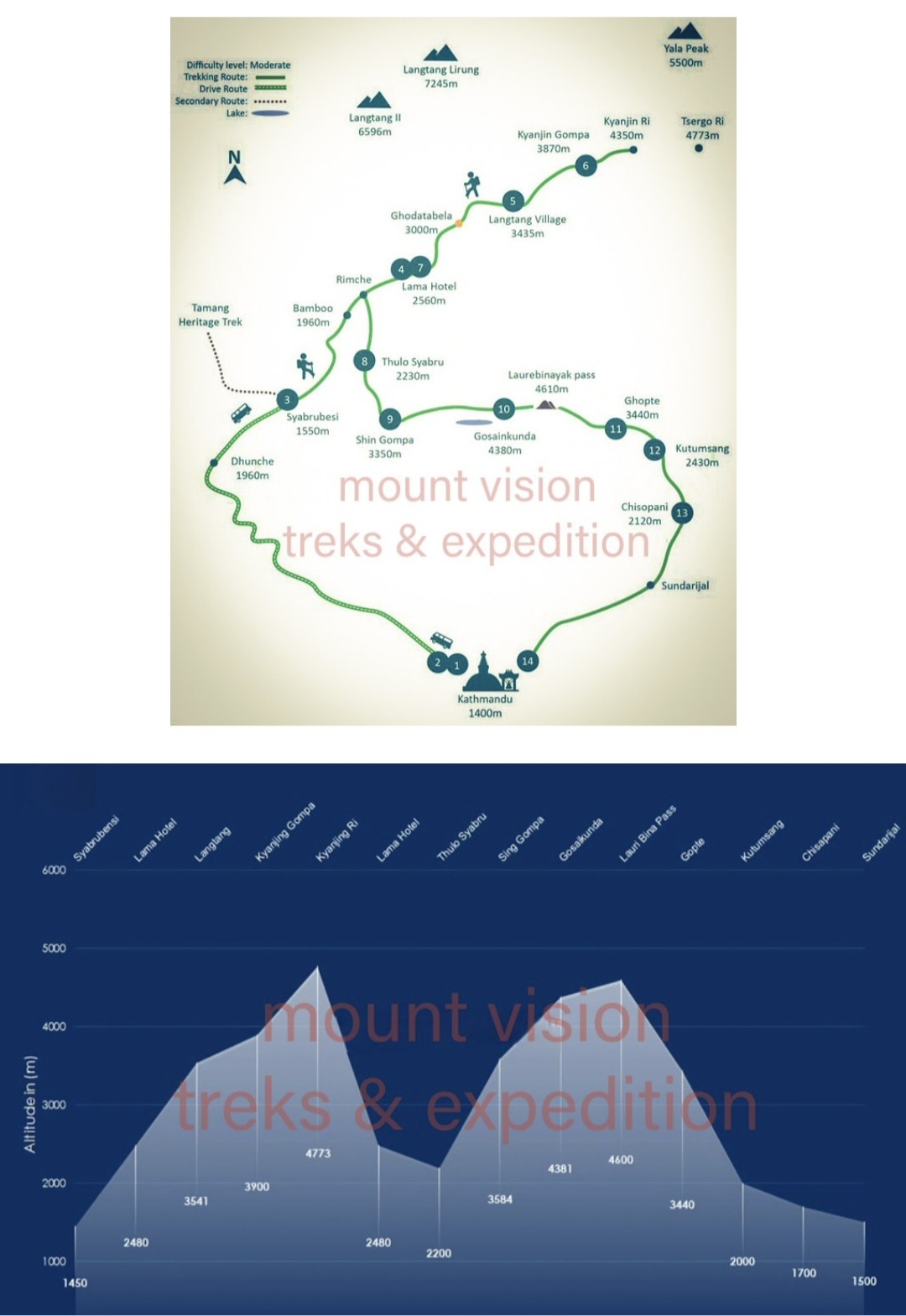
MAJOR HIGHLIGHTS OF LANGTANG HIMAL – HOLY GOSAINKUND TREKKING
This trek combines natural beauty, cultural richness, and spiritual significance perfectly, making it a memorable Himalayan adventure. Here is a list of the Major Highlights of Langtang Himal – Holy Gosainkunda Trekking:
Scenic Drive from Kathmandu to Syabrubesi
A picturesque drive through winding mountain roads offering views of terraced fields, lush hills, and the Trishuli River.
Exploration of Langtang Valley
Known as the "Valley of Glaciers," the Langtang Valley offers stunning views of snow-capped peaks, glacial rivers, and diverse landscapes.
Langtang National Park
Trekking through Nepal’s first Himalayan national park, home to diverse flora and fauna such as red pandas, Himalayan tahr, and musk deer.
Tamang Culture and Villages
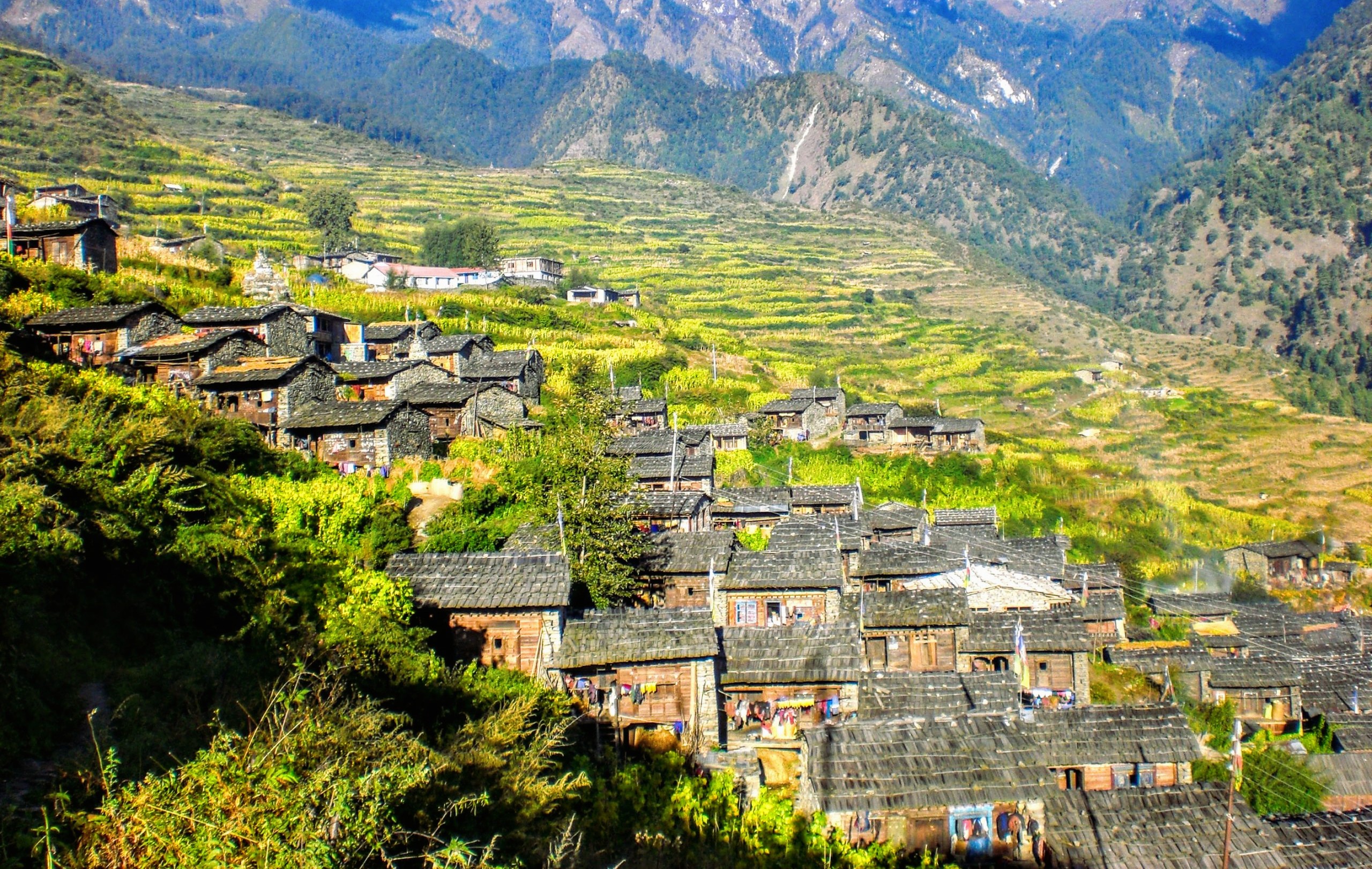
Experience the rich heritage and hospitality of the Tamang communities, including traditional houses, monasteries, and local cuisine.
Kyanjin Gompa and Cheese Factory
Visit the ancient Kyanjin Monastery and taste fresh yak cheese from the local cheese factory.
Panoramic Himalayan Views
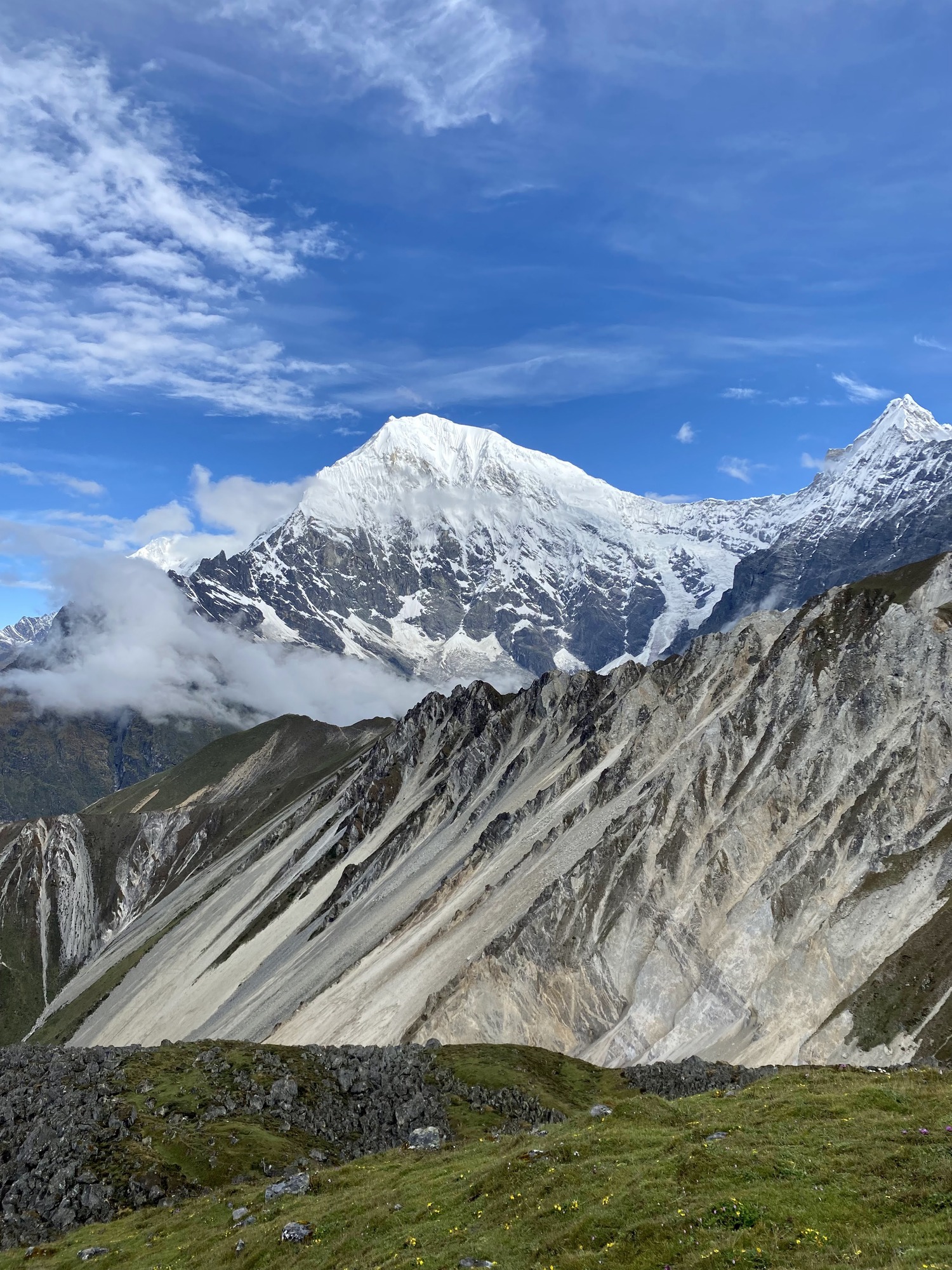
Spectacular views of Langtang Lirung (7,227 m), Dorje Lakpa (6,966 m), and other surrounding peaks.
Holy Gosainkunda Lake
A sacred alpine lake at 4,380 meters, revered by Hindus and Buddhists, surrounded by stunning mountain vistas.
High Passes and Trails
Cross the Lauribina La Pass (4,610 m), a challenging yet rewarding section of the trek with panoramic mountain views.
Biodiversity and Landscapes
Varied trekking terrain with dense forests, alpine meadows, glacial rivers, and high-altitude deserts.
Pilgrimage Significance
A spiritual experience for pilgrims visiting Gosainkunda, especially during the Janai Purnima festival.
Teahouse Trekking Experience
Stay in cozy mountain teahouses, enjoying local hospitality and delicious meals.
Rich Wildlife Encounters
Chance to spot rare wildlife such as snow leopards, Himalayan black bears, and exotic bird species.
Sundarijal to Kathmandu Return Route
Conclude the trek through scenic Helambu villages before returning to Kathmandu.
|
Mode of Trekking: |
Hotels and in lodge on walks. |
|
Trek Grade: |
Moderate and Adventurous walks. |
|
Area of Trek: |
Nepal Central Himalaya around Langtang region. |
|
Highest Altitude Gain: |
Over Gosainkund pass / East Laurabinaya-La at 4,609 m high. |
|
People and Culture: |
Mainly populated by Tamang people enriched with Buddhist religion with impressive traditional culture. |
|
Trek Duration: |
12 Nights and 13 Days (with drive both ways) |
|
Average walks: |
Minimum 4 hrs to Maximum 6 hrs or more. |
|
Total Trip: |
15 Nights and 16 Days Kathmandu to Kathmandu. |
|
Seasons: |
All months of the year except monsoon times from June to August, and March to May are good for treks when wild-flowers in full bloom, where most of the days are clear for views Morning and Night time as well in shade will be cold without wind-chill factor, October to December another best months to trek when day is clear, but short sunlight hours due to autumn and winter months will be freezing morning/night times with chances of snow. |
INTRODUCTION - LANGTANG HIMAL – HOLY GOSAINKUND TREKKING
Langtang Himal and Holy Gosainkund Trekking is an opportunity for travelers visiting the very best of Langtang and Central Himalaya that this beautiful scenic region has to offer with daily views of snow-clad mountains, cultural villages of Tamang and into sacred icy pond of Gosainkund.
This a magnificent adventure that leads you to both scenic areas of Langtang Himal, located within Nepal Central Himalaya, where you will have ample time to soak into a marvelous panorama of peaks and explore local villages of great interest in ancient Buddhism religion, and colorful culture.
One of the most beautiful countries and Himalayan range within close to the capital Kathmandu where a high road joins with Nepal and Tibet -China border on an old Trans Himalayan Salt Trade Route which is still active to this day.
Adventure to Langtang Himal and Holy Gosainkund Trekking begins with an overland journey that takes you from warmer low areas to cooler high alpine hills filled with enchanting forests of tall rhododendron-pines and magnolia tree lines, where elusive wild animals and rare Red Panda dwells.
As the walk continues after the end of the drive to reach our first main highlight destination of the adventure Kyanjin within scenic Langtang Valley, with time to acclimatize by taking a short hike to view tops facing the incredible panorama of Central Himalaya and some peaks of Tibet side across the border beyond Langtang Himal range.
Our next adventure follows a high trail that leads past nice traditional farm villages and leaves green vegetation to the sheer wilderness of the arid zone at Gosainkund. This site is regarded as the holiest of all holy sites for both Hindu and Buddhist followers. During the great festival event, pilgrims come in large numbers to take a dip and bathe in this icy holy pond created by Lord Shiva.
After an enjoyable and interesting time around holy Gosainkund, a walk leads to the highest point of the adventure: traversing Gosainkund Pass, also called East Laurabinaya-La. At above 4,609 m and 15,100 ft high, it offers grand views of landscapes and snow peaks.
The journey continues with downhill and ups to reach a trail leading towards Kathmandu valley rim heading past nice farm villages and scenic hilltop of Chisapani with eye-catching views of the sunrise over the chain of Himalayan peaks, as the walk leads to a road-head close to the suburb of Kathmandu city, and then ending with short drive to reach into hustle and bustle city life of Kathmandu, after a grand and fantastic adventure on Langtang Himal and Holy Gosainkund Trekking.
PACKING LIST FOR LANGTANG HIMAL – HOLY GOSAINKUND TREKKING
The following comprehensive packing list ensures you're prepared for the varied terrain, weather, and conditions on the Langtang Himal – Holy Gosainkunda trek. Always pack light but include essentials! Here is a comprehensive packing list for Langtang Himal Panorama Trekking, categorized for better organization:
Clothing
- Base Layers
· Thermal tops and bottoms for warmth.
- Trekking Shirts
· Lightweight, moisture-wicking shirts (short and long-sleeved).
- Insulation Layers
· Fleece jacket or sweater for layering.
- Outer Jacket
· Waterproof and windproof jacket (Gore-Tex or similar).
- Trekking Pants
· Lightweight, quick-drying pants for trekking.
- Insulated Pants
· Warm pants for higher altitudes and colder weather.
- Rain Gear
· Poncho or raincoat and waterproof pants.
- Gloves
· Warm, insulated gloves and lightweight inner gloves.
- Hat and Beanie
· Wide-brim hat for sun protection and a warm beanie for cold weather.
- Buff or Scarf
· For protection from dust, wind, and cold.
- Socks
· Several pairs of moisture-wicking trekking socks (thermal for cold weather).
- Underwear
· Comfortable, quick-drying underwear.
Footwear
- Trekking Boots
- Sturdy, waterproof, and broken-in boots with good ankle support.
- Camp Shoes or Sandals
- Lightweight footwear for use in teahouses or camps.
- Gaiters
- Protect boots from snow, mud, and debris (optional).
Backpacks
- Trekking Backpack
· 50–65L backpack with a rain cover.
- Daypack
· 20–30L for carrying essentials during the day.
Sleeping Gear
- Sleeping Bag
· Warm sleeping bag rated for at least -10°C to -15°C.
- Sleeping Bag Liner
· For added warmth and hygiene.
Trekking Essentials
- Trekking Poles
· Adjustable and lightweight trekking poles.
- Water Bottles and Hydration System
· Reusable water bottles (2–3 liters) or a hydration bladder.
- Water Purification
· Water purification tablets or a portable filtration system.
- Headlamp
· With spare batteries.
- Sunglasses
· UV protection and anti-glare.
- Sunscreen
· High SPF sunscreen and lip balm.
- Toiletries
· Biodegradable soap, toothbrush, toothpaste, wipes, and quick-drying towel.
- First Aid Kit
· Personal medications, band-aids, antiseptic, blister care, etc.
- Snacks
· Energy bars, trail mix, or chocolates for extra energy.
- Pocket Knife
· Multi-tool or small knife.
Documents and Money
- Passport and Visa
· Ensure they are valid and carry copies.
- Trekking Permits
· TIMS card and Langtang National Park entry permit.
- Cash
· Enough Nepali rupees for the trek (teahouses and shops may not accept cards).
Optional Items
- Camera
· To capture stunning landscapes and moments.
- Guidebook or Map
· For route planning and navigation.
- Notebook and Pen
· To jot down experiences or notes.
- Earplugs
· For a peaceful night's sleep in noisy teahouses.
- Power Bank
· For charging electronic devices.
Extras for Comfort
- Hand Warmers
· For extra warmth during cold nights.
- Neck Pillow
· For comfort while sleeping or resting.
Included/Excluded
Three times meals (breakfast,lunch,dinner) breakfast with hot drinks . accommodations during trekking tea house basis
transportation to trekking starting point and from ending point to destination (airport pick up and drop )
All necessary permits for trekking
accommodation during the trek (Twin Sharing Base)
duffels bags , sleeping bags , down jackets if you needed
first aid box , water purified pills
Staff insurance, well-paid salary, equipment, food, Hotel, etc.
Purified drinking water (Ef-Chlor – water purification tablet)
Certificate of achievement .
Farewell dinner in Nepali restaurant in Thamel before you depart from Nepal.
An airport transfer as per your departure date and time
International airfare, Nepal visa fee and any kind of insurance
yours nepali visa , hotel in kathmandu , travel insurance
Bar bills and extra foods and hot drinks , drinking water
wifi, hot showers, local entrance fees, donations, mobile or power bank charge
tips for guide and porters (expected)
Hotel in kathmandu (for not included on price )
Local entrance fees and donation .
extra days in nepal
Itinerary
DAY 1
Drive from Kathmandu (1,400m / 4,393ft) to Syabrubesi (1,503m / 4,655ft)
DAY 1
Drive from Kathmandu (1,400m / 4,393ft) to Syabrubesi (1,503m / 4,655ft)
Following an early breakfast, we embark on a gorgeous travel by local bus out of Kathmandu Valley to Syabrubesi, located northwest of Kathmandu. You can witness spectacular landscape along the journey, including raging rivers, terraced farms, characteristic Nepali villages, and snow-capped peaks. The route is smooth up to Trishuli Bazaar. The road then gets more steep as it ascends to Dhunche and falls to Syabrubesi, a market town with plenty to see, including riverfront hot springs where you may unwind.
Day 2
Trek From Syabrubesi (1,503m / 4,655ft) to Lama Hotel (2,470m / 8,103ft)
Day 2
Trek From Syabrubesi (1,503m / 4,655ft) to Lama Hotel (2,470m / 8,103ft)
Our first day on the trail begins from Syabrubesi. We cross the Bhote Kosi and proceed to the Langtang River, which flows through fertile jungle and terraced terraces. We cross the landslide region, rise to Bamboo, and steadily ascend to Rimche, which is located on the banks of the Langtang River. On the journey, you'll pass through various rural settlements and bamboo and birch forests, where you might see uncommon local species like the red pandas. We continue our walk to the Lama Hotel settlement.
DAY 3
Trek from Lama Hotel (2,470m / 8,103ft) to Langtang village (3,430m / 11,255ft)
DAY 3
Trek from Lama Hotel (2,470m / 8,103ft) to Langtang village (3,430m / 11,255ft)
We continue our trip along the Langtang River, rising through lush jungle. On the journey, we'll see snowy peaks urging us forward. Eventually, the narrow river valley widens near Ghoda Tabela. Previously, there was a Tibetan relocation effort here. We'll stop at the Ghoda Tabela army checkpoint to register our paperwork. As we approach the Langtang Valley, we cross the river on its east side. We continue past the prayer wheels powered by flowing water and prayer flags to the picturesque Langtang village, which is populated by Tamangs.
DAY 4
Trek from Langtang village (3,430m / 11,255ft) to Kyanjin Gompa (3,865m / 12,675ft)
DAY 4
Trek from Langtang village (3,430m / 11,255ft) to Kyanjin Gompa (3,865m / 12,675ft)
We continue to ascent as we pass past small abandoned settlements and meadows. The vast Langtang valley provides expansive views of the majestic Himalayas. Our path passes via multiple tributaries and a glacier moraine. We eventually arrive in Kyanjin Gompa, which was previously the largest settlement on our trek and is named after the nearby, ancient monastery. The Kyanjin Gompa is mostly abandoned after being severely damaged by the 2015 earthquake. After lunch, we ascend to Kyajo Ri Viewpoint (5,150m / 19,600ft) for breathtaking views of multiple mountain ranges and Langtang Valley. However, this is an optional trek.
DAY 5
Exploration Day at Kyanjin Gompa hike to tsherko-ri
DAY 5
Exploration Day at Kyanjin Gompa hike to tsherko-ri
We continue to ascent as we pass past small abandoned settlements and meadows. The vast Langtang valley provides expansive views of the majestic Himalayas. Our path passes via multiple tributaries and a glacier moraine. We eventually arrive in Kyanjin Gompa, which was previously the largest settlement on our trek and is named after the nearby, ancient monastery. The Kyanjin Gompa is mostly abandoned after being severely damaged by the 2015 earthquake. After lunch, we ascend to Kyajo Ri Viewpoint (5,150m / 19,600ft) for breathtaking views of multiple mountain ranges and Langtang Valley. However, this is an optional trek.
DAY 6
Trek from Kyanjin gomba (3,865m / 12,675ft) to Lama Hotel (2,470m / 8,103ft)
DAY 6
Trek from Kyanjin gomba (3,865m / 12,675ft) to Lama Hotel (2,470m / 8,103ft)
From Kyanjin Gomba, we say farewell to the upper highlands and begin descending on a path that will take us out of the valley. We take the same route that led us to Kyanjin Gomba. On the journey, we will pass via Langtang Village before stopping for lunch at Ghora Tabela, where we will register our departure at the army checkpoint. After a leisurely lunch, we descend through the deep forest of the river valley to the Lama Hotel.
DAY 7
Trek from Lama Hotel (2,470m / 8,103ft) to Thulo Syabru (2,210m / 8,500ft)
DAY 7
Trek from Lama Hotel (2,470m / 8,103ft) to Thulo Syabru (2,210m / 8,500ft)
This day, you will descend to the banks of Langtang Khola and pass through a tiny waterfall. The journey will take us through rhododendron and bamboo forests, which are alive with wildlife such as wild boar and monkey. The trail also provides excellent views of Ganesh Himal. We will cross a suspension bridge at the end of today's hike to get to the bottom of Thulo Syabru hamlet.
DAY 8
Trek from Thulo Syabru (2,210m / 8,500ft) to Cholangpati (3,654m / 11988ft)
DAY 8
Trek from Thulo Syabru (2,210m / 8,500ft) to Cholangpati (3,654m / 11988ft)
We steadily climb upwards from Thulo Syabru and pass through the army checkpoint at Langtang National Park. Daragang is only a half-hour's uphill journey away. The trail becomes less steep as it continues into the hemlock and oak forest. While passing through the jungle, you may see a rare red panda. We continue our journey onward through Dhimsa and Sing Gompa to Cholangpati, where we will spend the night.
DAY 9
Trek from Cholangpati (3,654m / 11,988ft) to Gosainkunda Lake (4,380m / 14,620ft)
DAY 9
Trek from Cholangpati (3,654m / 11,988ft) to Gosainkunda Lake (4,380m / 14,620ft)
As you ascend, the stunning Langtang Himal (7234 m), the most famous mountain in the entire Langtang Range, will meet you. We begin going along a bleak, barren mountain trail. As you ascend higher, you'll notice more mountains in the horizon, including the beautiful Langtang Himal, Ganesh Himal, and even the Annapurnas to the west. A few hours later, we arrive in Laure Binayak, where we will begin the uphill trip to Gosainkunda. After two hours of the arduous climb, we will arrive at a chorten, and after an hour of hiking, you will witness views of spectacular waterfalls and lakes - Saraswati Kunda and Bhairav Kunda, both formed by water coming from Gosainkunda. Hindus consider this spot holy as They think that this is Lord Shiva's favorite spot. Every year, hundreds of pilgrims visit Gosainkunda for a holy Hindu festival held in the fall.
DAY 10
Trek from Gosainkunda Lake (4,380m / 14,620ft) to Ghopte (3,530m / 11,265ft) via Laurebina Pass (4,610m / 15,115ft)
DAY 10
Trek from Gosainkunda Lake (4,380m / 14,620ft) to Ghopte (3,530m / 11,265ft) via Laurebina Pass (4,610m / 15,115ft)
Today, you'll cross the Laurebina La High Pass into the picturesque Helambu region. The journey from Gosainkunda Lake to the lake begins with a descent from the lodges. Then, as we approach the Laurebina La Pass, our stroll along the northern bank becomes steeper, but not before passing through e lakes. The Laurebina La Pass is marked by a stone stupa and several prayer flags. This pass is the highest point on the Langtang Trek. We next descend down a vast valley to High Camp (4240 m) and continue down a steeper, rocky path to Phedi. Right after Phedi, we descend to a footbridge over a brook. The trek from Phedi to Ghopte is difficult, with steep ascents.
DAY 11
Trek from Ghopte (3,530m / 11,265ft) to Kutumsang (2,470m / 8,560ft)
DAY 11
Trek from Ghopte (3,530m / 11,265ft) to Kutumsang (2,470m / 8,560ft)
We begin our trip through groves of juniper, rhododendron, and pine in a lonely, unpopulated area until arriving in Tharepati, a lovely highland environment. From Tharepati, the path slowly descends through the forest on the western ridge slope. After a while of traveling, we will come upon a vast field with ruins of shepherd's houses. The trek offers views of Gangchempo and Dorje Lakpa peaks. The descent becomes steeper as it passes through a woodland to Magin Goth (3265m). After a short hike, we will pass through Kuala Bhanjyang (3335m) before descending to Kutumsang (2470m).
DAY 12
Trek from Kutumsang (2,470m / 8,560ft) to Chisopani (2,295m / 7,655ft)
DAY 12
Trek from Kutumsang (2,470m / 8,560ft) to Chisopani (2,295m / 7,655ft)
We will ascend from Kutumsang for a while before descending to Gul Bhanjyang Village (2140m). Then we rise to a dusty wide road at Thorong Danda (2500m) before continuing on a steep and rocky path to Chipping settlement.
We then descend steadily to Pati Bhanjyang (1760m), a settlement between Chipping and Chisopani. After walking for half an hour, we arrive to Chisopani, which is known for its outstanding panoramic views of various mountains.
DAY 13
rek from Chisopani (2,295m / 7,655ft) to Sundarijal (1380m / 4530ft) and drive to Kathmandu (1350m / 4450ft)
DAY 13
rek from Chisopani (2,295m / 7,655ft) to Sundarijal (1380m / 4530ft) and drive to Kathmandu (1350m / 4450ft)
After a short trek from Chisopani, we arrive at the Shivapuri National Park checkpoint. From here, we follow a large road down the hill, then a paved path up the hill. After going past a few water reservoirs and enormous water pipes, we arrive at Sundarijal (1460m), where we say farewell to the trails and take local transportation to Kathmandu.
Travel Styles
Cultural
Nature & Adventure
Activities
Special Interest
Facilities
Staff Lounge
FAQs
What is the Langtang Gosaikunda Lauribina Pass Trek?
The Langtang Gosaikunda Lauribina Pass Trek is a stunning trekking route in Nepal that combines the Langtang Valley, Gosaikunda Lake (a sacred Himalayan lake), and the challenging Lauribina Pass (4,610m). This trek offers a mix of cultural experiences, breathtaking mountain views, and serene alpine landscapes.
How difficult is the Langtang Gosaikunda Lauribina Pass Trek?
The trek is considered moderate to challenging. The trail involves steep ascents, rocky terrain, and high-altitude sections, especially while crossing the Lauribina Pass. Trekkers should have a good level of fitness and some prior trekking experience.
What is the best time to do the Langtang Gosaikunda Lauribina Pass Trek?
The best time for this trek is during spring (March to May) and autumn (September to November). These seasons offer clear skies, stable weather, and excellent visibility of the Himalayas. Monsoon (June to August) and winter (December to February) are less ideal due to rain, snow, and cold temperatures.
How long does the Langtang Gosaikunda Lauribina Pass Trek take?
The trek typically takes 10 to 14 days, depending on the itinerary and acclimatization needs. A standard route includes:
Kathmandu to Syabrubesi
Trek to Langtang Valley
Visit Kyanjin Gompa
Trek to Gosaikunda Lake
Cross Lauribina Pass
Descend to Dhunche or Sundarijal.
What permits are required for the Langtang Gosaikunda Lauribina Pass Trek?
Trekkers need the following permits:
Langtang National Park Entry Permit
TIMS (Trekkers' Information Management System) Card
These permits can be obtained in Kathmandu or at the Nepal Tourism Board.
What is the altitude of Lauribina Pass, and is altitude sickness a concern?
Lauribina Pass is at an altitude of 4,610 meters (15,125 feet). Altitude sickness can be a concern, so it’s essential to acclimatize properly, stay hydrated, and ascend gradually. Symptoms like headaches, dizziness, and nausea should not be ignored.
Is the Langtang Gosaikunda Lauribina Pass Trek suitable for beginners?
This trek is more suitable for experienced trekkers due to the high altitude, challenging terrain, and long hiking days. Beginners should consider shorter and less strenuous treks before attempting this route.
What should I pack for the Langtang Gosaikunda Lauribina Pass Trek?
Essential items include:
Sturdy trekking boots
Warm clothing (layers, down jacket, thermal wear)
Sleeping bag (rated for -10°C to -15°C)
Trekking poles
Water purification tablets or filter
First aid kit
Sunscreen, sunglasses, and a hat
Headlamp with extra batteries
Are there any cultural highlights on this trek?
Yes! The trek passes through Tamang and Sherpa villages, where you can experience local culture, traditions, and hospitality. You’ll also visit ancient monasteries like Kyanjin Gompa and witness the spiritual significance of Gosaikunda Lake for Hindus and Buddhists.
Can I do the Langtang Gosaikunda Lauribina Pass Trek solo?
Yes, solo trekking is possible, but it’s recommended to hire a guide or join a group, especially for the Lauribina Pass section. A guide can help with navigation, acclimatization, and emergency situations.
How do I get to the starting point of the trek?
The trek usually starts from Syabrubesi, which is a 7-8 hour drive from Kathmandu. Public buses and private jeeps are available from Kathmandu to Syabrubesi.
Is drinking water available on the trek?
Yes, you can buy bottled water or fill up at teahouses. However, to reduce plastic waste, it’s better to use a water filter or purification tablets.
What are the highlights of the Langtang Gosaikunda Lauribina Pass Trek?
Beautiful vistas of Langtang Lirung, Ganesh Himal, and other peaks.
Sacred Gosaikunda Lake and Its Spiritual Meaning
Crossing the difficult Lauribina Pass
Explore the Langtang Valley and Kyanjin Gompa.
Experience Tamang and Sherpa culture.
What is the cost of the Langtang Gosaikunda Lauribina Pass Trek?
The cost ranges from
900
t
o
800to1,500, depending on the group size, guide/porter services, and accommodation choices. This typically includes permits, transportation, food, and lodging.
Are there any risks on the Langtang Gosaikunda Lauribina Pass Trek?
The main risks include:
Altitude sickness
Unpredictable weather
Rocky and slippery trails
Remote areas with limited medical facilities
Proper preparation, acclimatization, and hiring a guide can mitigate these risks.
Can I combine this trek with other treks in Nepal?
Yes, many trekkers combine this trek with the Helambu Trek or extend their journey to explore more of the Langtang region. Discuss with your guide or tour operator for customized itineraries.
Is Wi-Fi or mobile network available on the trek?
Wi-Fi is available in some teahouses for a small fee, but the connection is slow. Mobile networks (NTC and Ncell) work in lower altitudes but may be unreliable in higher areas.
What is the food like on the Langtang Gosaikunda Lauribina Pass Trek?
Teahouses serve a variety of meals, including:
Dal Bhat (rice, lentils, and vegetables)
Noodles, pasta, and soups
Tibetan bread and pancakes
Eggs, porridge, and tea
Vegetarian options are widely available.
How do I prepare for the Langtang Gosaikunda Lauribina Pass Trek?
Train with cardio and strength exercises
Go on practice hikes with a loaded backpack
Learn about altitude sickness and its prevention
Pack appropriately for cold and variable weather
Get travel insurance that covers high-altitude trekking
Can I Use Tap Water on the Langtang Lauribina Pass Trek?
No, tap water in the Langtang region is generally not safe to drink without purification. The water sources may be contaminated with bacteria, viruses, or parasites, which can cause waterborne illnesses like diarrhea, giardia, or cholera.
How Can I Make Tap Water Safe for Drinking?
To ensure safe drinking water, you can use the following methods:
Water Purification Tablets: Easy to carry and effective against most contaminants.
Portable Water Filters: Devices like LifeStraw or Sawyer filters are lightweight and reliable.
UV Purifiers: SteriPEN or similar devices use UV light to kill bacteria and viruses.
Boiling: Boil water for at least 3-5 minutes to make it safe. This is the most reliable method but requires access to a stove and fuel.
Can I Buy Bottled Water on the Trek?
Yes, bottled water is available in most teahouses and villages along the trek. However, it is expensive at higher altitudes, and plastic waste is a significant environmental concern in the region.
To reduce plastic waste, it’s better to use a reusable water bottle and purify tap or stream water.
Are There Natural Water Sources on the Trek?
Yes, there are natural streams and rivers along the trail. However, even this water should be purified before drinking, as it may contain contaminants from animals or human activity.
What Are the Risks of Drinking Untreated Water?
Drinking untreated tap or natural water can lead to:
Stomach infections
Diarrhea
Dehydration
Altitude sickness (due to dehydration)
These conditions can ruin your trek and, in severe cases, require evacuation.
Tips for Staying Hydrated on the Trek
Always carry a reusable water bottle or hydration bladder.
Use a combination of purification methods (e.g., filter + tablets) for added safety.
Drink at least 3-4 liters of water daily to stay hydrated, especially at high altitudes.
Avoid drinking untreated water, even if it looks clean.
Is it safe to trek during the monsoon or winter seasons?
Yes. With precautions, you can trek during the monsoon and winter. We conduct safe treks in both of these seasons.
How do I get to the starting point of the Langtang Gosainkunda Trek?
The trek starts with a drive to Syabrubesi on a local bus. The drive is about 6-7 hours from Kathmandu. You can hire a jeep for an extra cost.
What transportation options are available after completing the trek?
After completing the trek, transportation back to Kathmandu is by bus. For an additional cost, you can hire a Jeep.
How far in advance should I book the Langtang Gosainkunda Trek?
It is ideal to book at least a month in advance, but we also have a last-minute booking provision, where you can book the trek 24 hours in advance.
What is the payment process for booking this trek?
We require 10% of the trek cost as advance to secure your booking. You can pay using a bank transfer, credit card, Wise, or Western Union. The rest of the payment is due when you arrive in Kathmandu. In Kathmandu, you can also pay in cash. We will also email you payment details, including payment options.
Are there any cancellation or refund policies for the trek?
Yes, we have cancellation and refund policies. Please see our terms and conditions page.
Tour Location
Langtang Himal
Reviews
0/5
Not Rated
Based on
0 review
Excellent
0
Very Good
0
Average
0
Poor
0
Terrible
0
No Review
MVTreks and Expedition

Member Since Dec 2024
22%
from
$1,100
$850
Tour Start Date
{{ start_date_html }}
Tour End Date
{{ end_date_html }}
Last Booking Date
{{ last_booking_date_html }}
{{start_date_html}}
{{type.desc}}
{{type.display_price}} per person
Extra prices:
({{type.price_type}})
{{type.price_html}}
Discounts:
{{type.from}} - {{type.to}} guests
from {{type.from}} guests
- {{ formatMoney(type.total) }}
({{type.price_type}})
{{ type.price }}%
{{ formatMoney(type.price) }}
- {{total_price_html}}
- {{pay_now_price_html}}
You might also like

from
$1,100
$850
