KOPRA RIDGE – ANNAPURNA TREKKING
Annapurna Base Camp
0/5
0% of guests recommend
Duration
7 Days 12 Hours
Tour Type
Annapurna Trekking
Group Size
20 persons
Location
Annapurna Region
Overview
“Around hidden and exclusive areas of Annapurna and Dhaulagiri on least visited areas. On high and scenic Kopra ridge in between the massive range of Annapurna and Dhaulagiri. Glorious panorama with a stunning sunrise over the chain of mountains from scenic Poon Hill. Walk into a beautiful hill forest covered with rhododendron oak and pine trees. Daily views of Annapurna Himalaya with close views of Dhaulagiri and Manaslu peaks. From low warm paddy fields to cooler alpine hills with great changes in temperatures. Explore traditional farm villages of Poon-Magar and Gurung people the hill tribes.”
MAJOR HIGHLIGHTS OF THE KOPRA RIDGE – ANNAPURNA TREKKING
Scenic and Less-Crowded Trail
- A tranquil and off-the-beaten-path alternative to traditional Annapurna trekking routes.
- Offers solitude and peace, away from the busy trekking routes.
Breathtaking Mountain Views
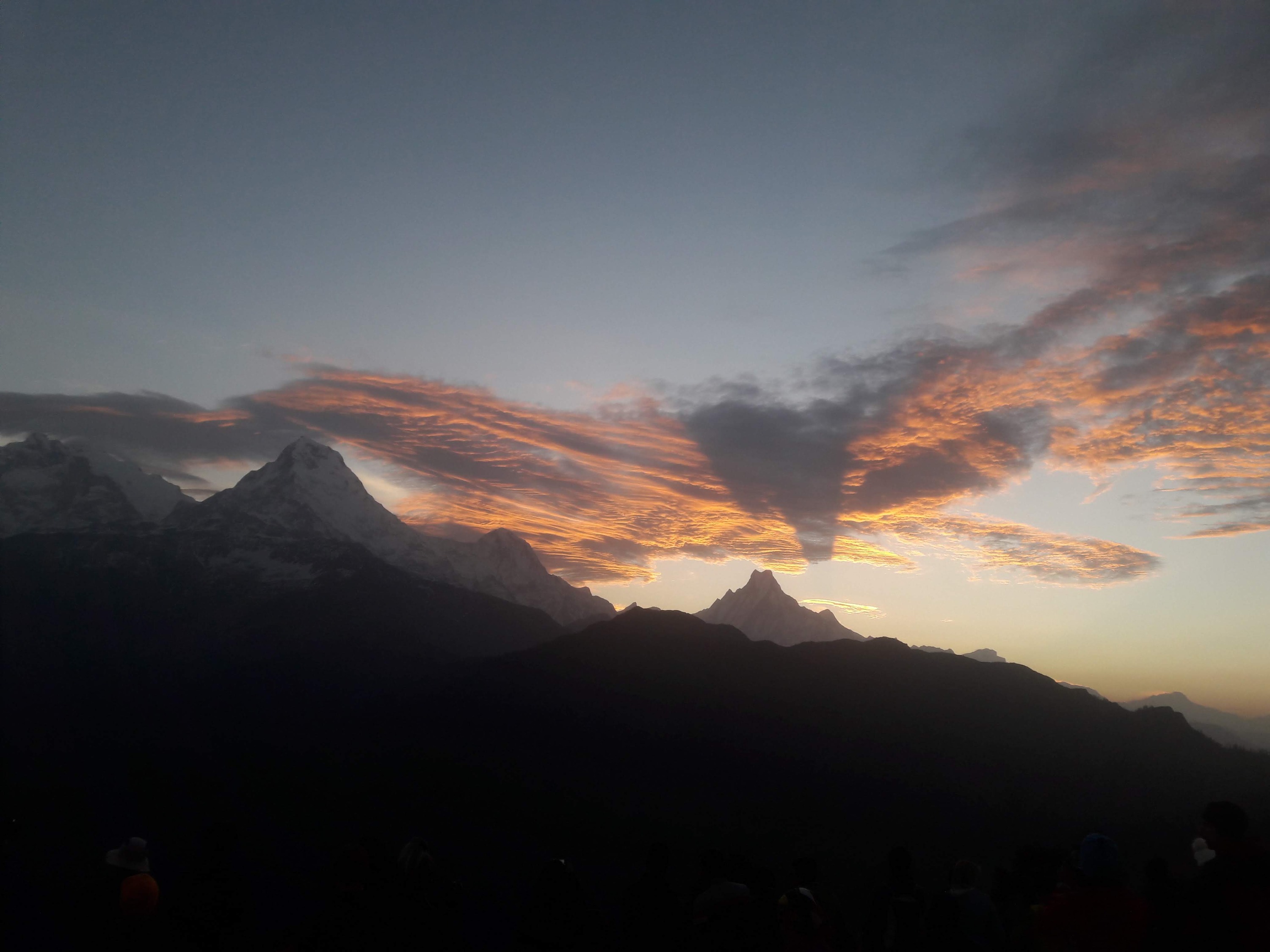
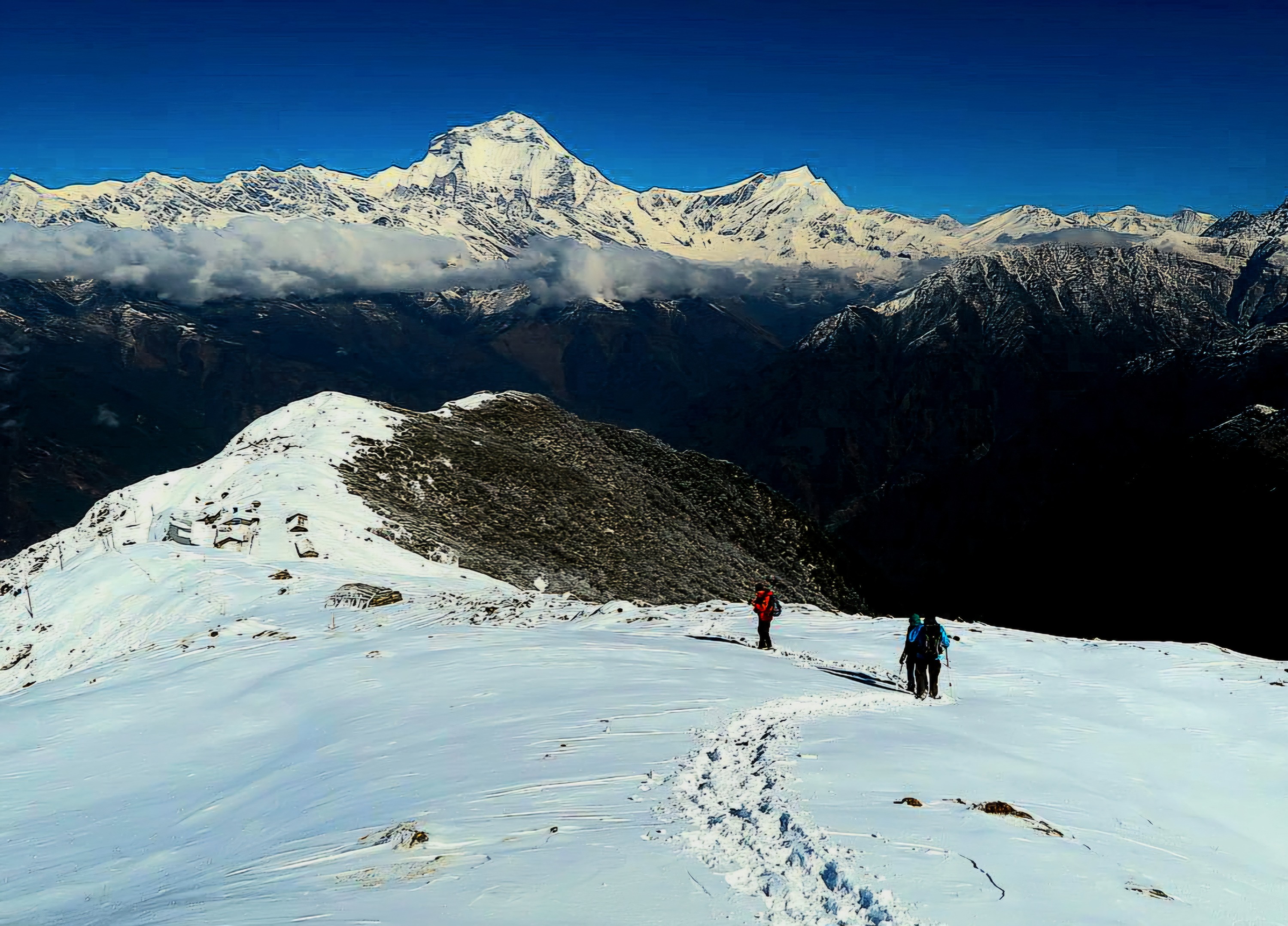
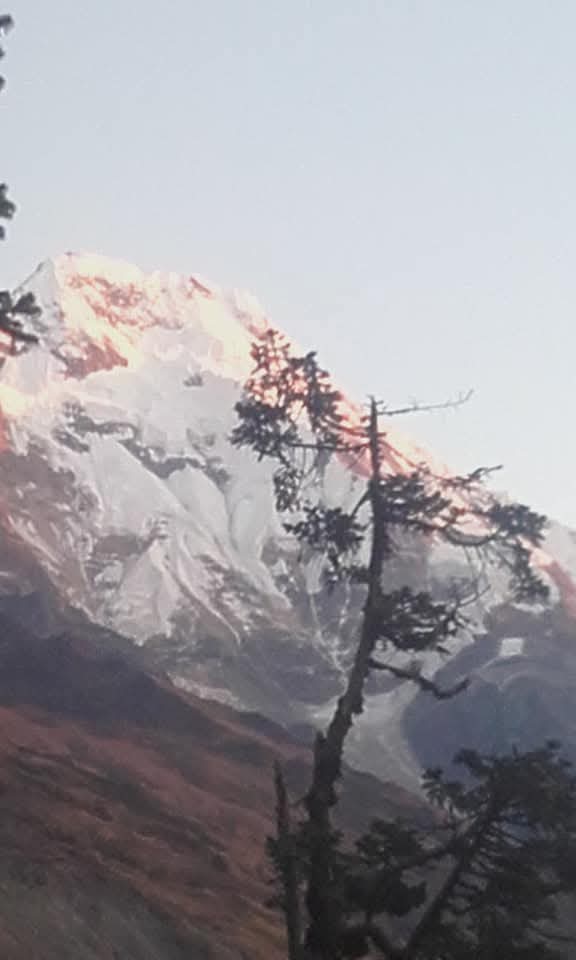
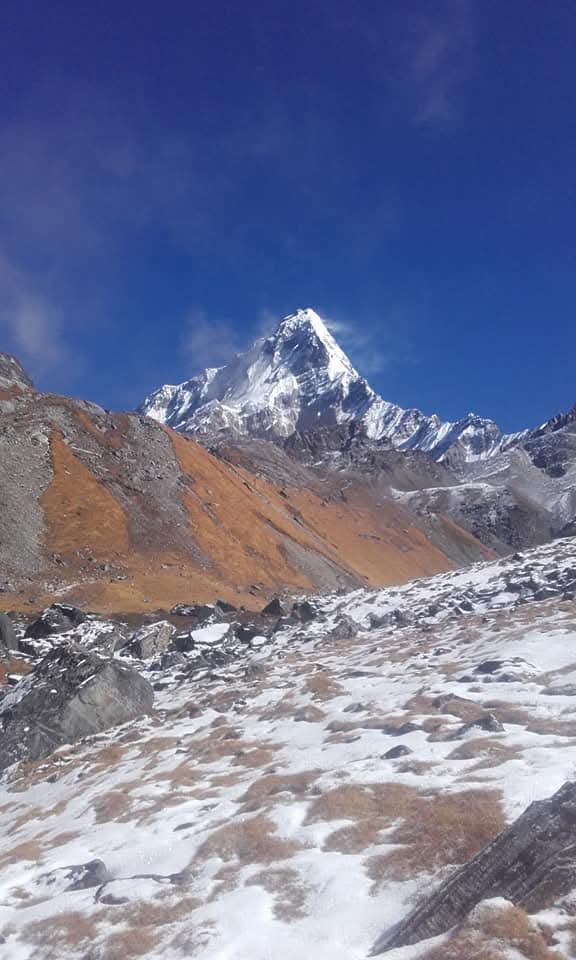
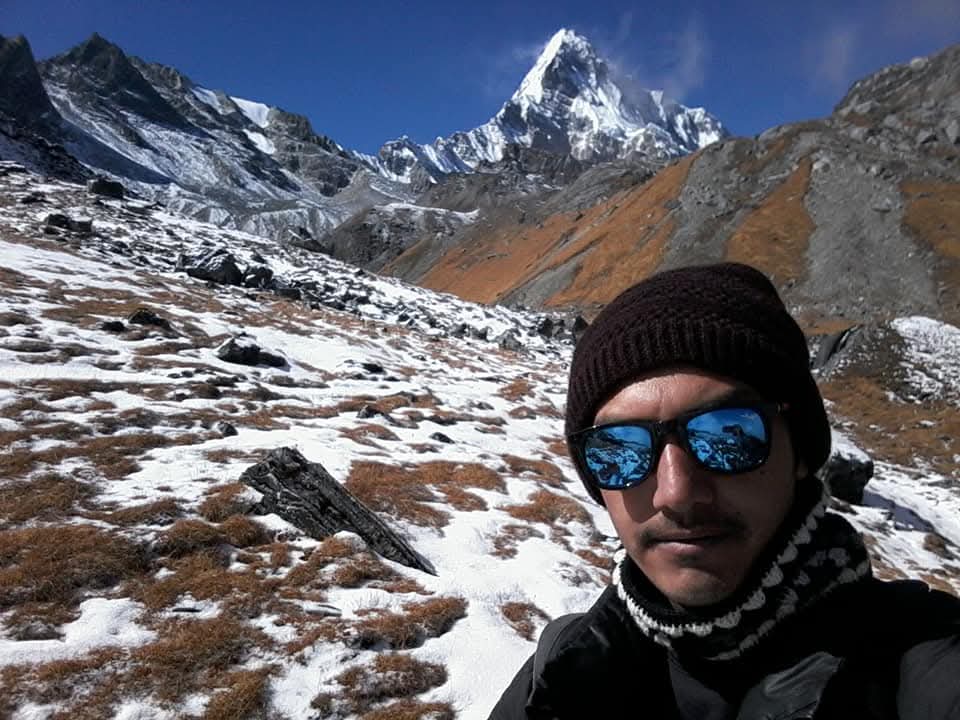
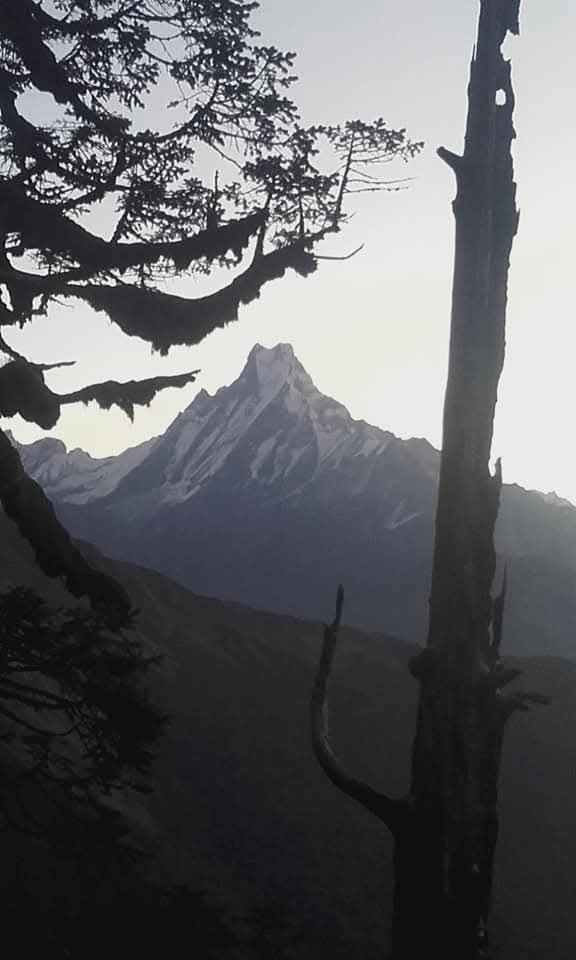
- Panoramic vistas of Annapurna South, Dhaulagiri, Nilgiri, Hiunchuli, and Machhapuchhre (Fishtail).
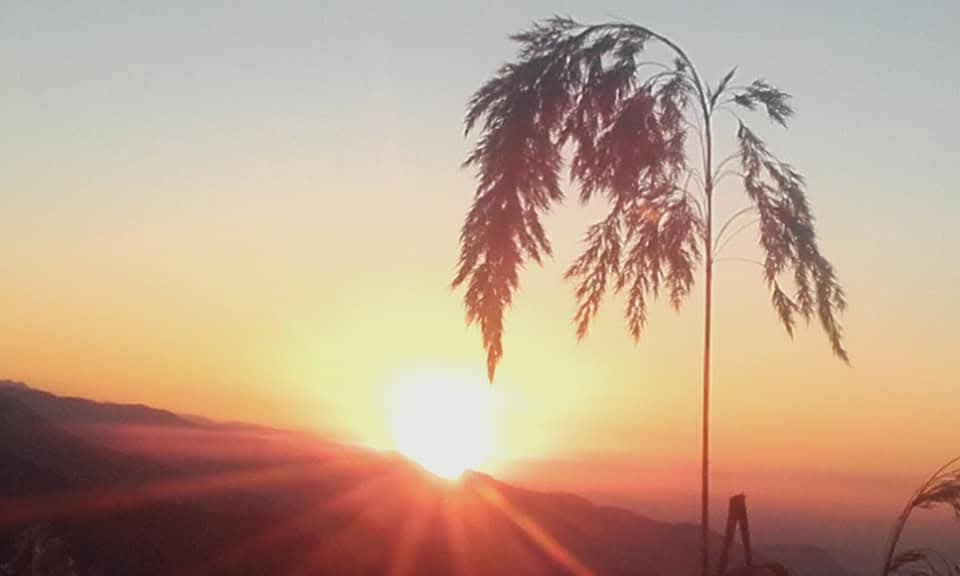
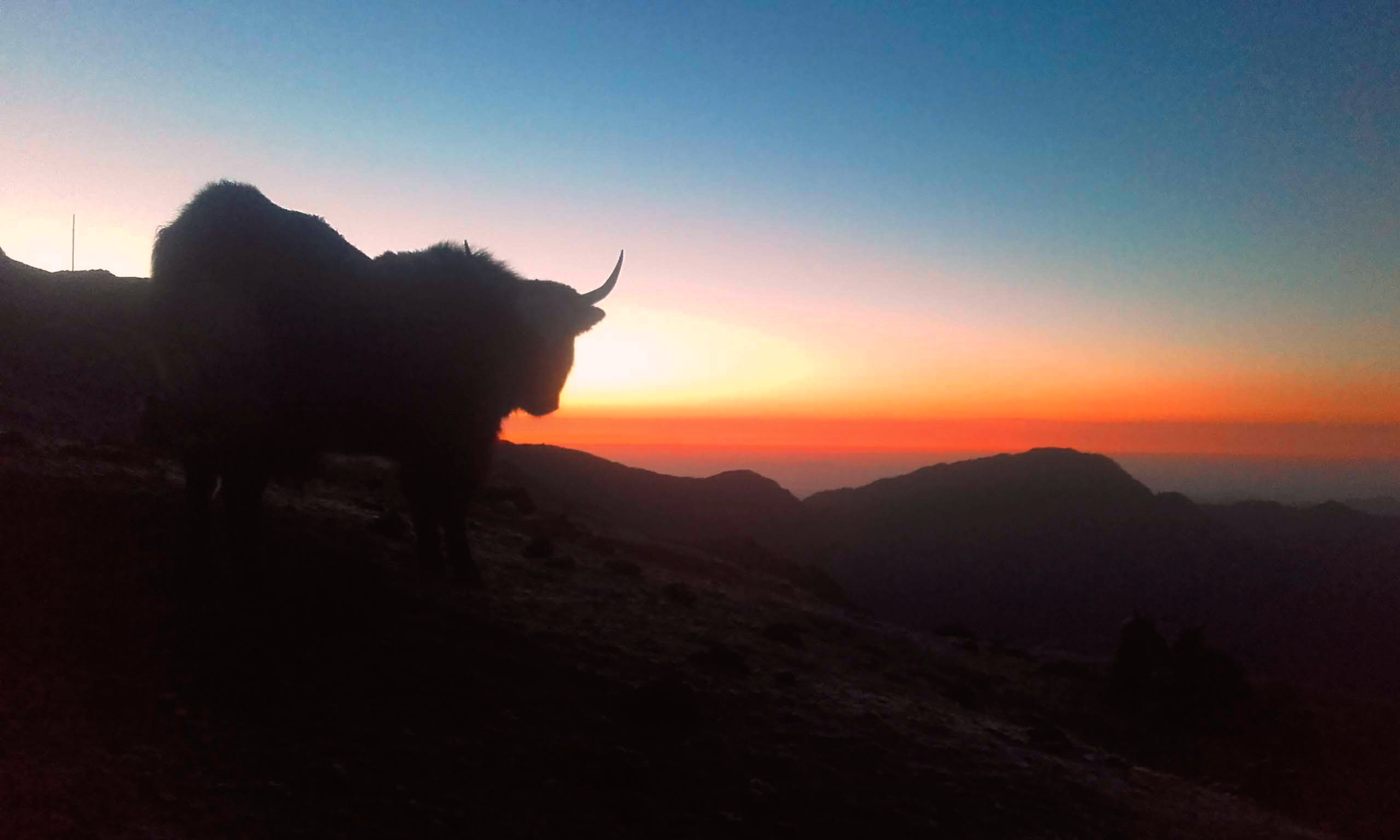
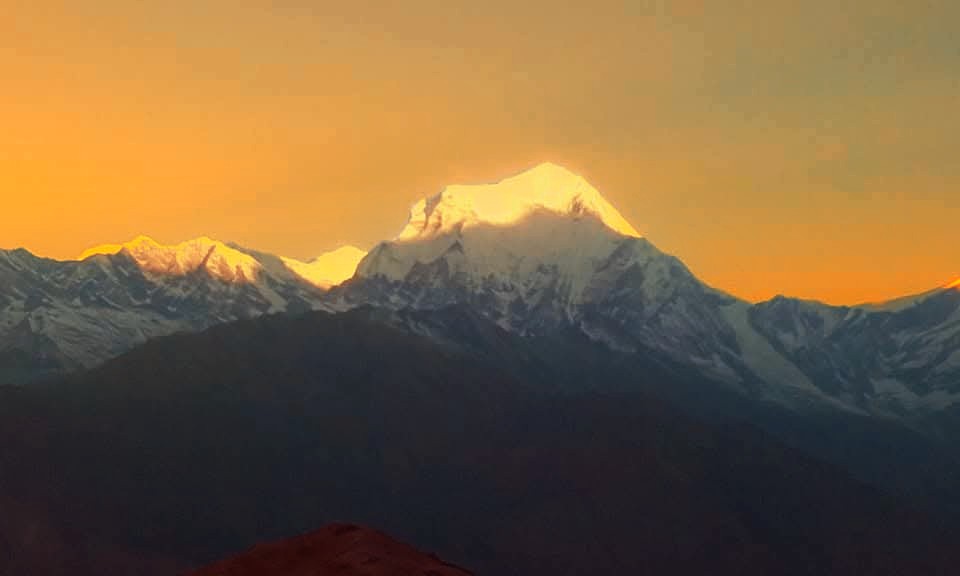
- Spectacular sunrise and sunset views over the snow-capped peaks.
Khopra Ridge (Khopra Danda)
- A highlight of the trek, providing one of the best vantage points in the Annapurna region.
- 360-degree views of the Himalayas, valleys, and terraced fields.
Khayar Lake (Khayar Tal)
- A sacred glacial lake located at 4,600 meters, is considered holy by locals.
- Optional challenging day hike from Khopra Ridge.
Cultural Exploration
- Experience Gurung, Magar, and other ethnic communities’ traditional lifestyles and hospitality.
- Visit local villages like Ghandruk, Tadapani, and Swanta, known for their rich cultural heritage.
Natural Beauty
- Walk through lush rhododendron forests, bamboo groves, and alpine meadows.
- Abundant biodiversity, including chances to spot Himalayan wildlife and colorful birds.
Hot Springs at Tatopani
- Relaxing and therapeutic natural hot springs, perfect for unwinding after days of trekking.
Poon Hill Sunrise (Optional Add-On)
- Iconic viewpoint offering a mesmerizing sunrise over the Annapurna and Dhaulagiri ranges.
Supportive Tea Houses
- Well-maintained teahouses along the route offering comfortable accommodation and delicious local food.
Moderate Difficulty
- A rewarding trek suitable for trekkers of moderate fitness levels with no prior trekking experience required.
Accessibility
- Starts from Pokhara, making it convenient and easy to reach.
- Flexible itinerary options based on the trekker’s preference and time.
|
Mode of Trekking: |
Hotels and in lodge on walks. |
|
Trek Grade: |
Moderate and Adventurous. |
|
Area of Trek: |
Nepal North Mid-West within Annapurna Himalaya region. |
|
Highest Altitude Gain: |
On top Kopra Ridge 4,015 n with Khair Lake at 4,590 m |
|
People and Culture: |
Mainly populated by Gurung and Poon-Magar enriched with both Hindu and Buddhist religions with impressive culture. |
|
Trek Duration: |
07 Nights and 08 Days (Pokhara to Pokhara) |
|
Average walks: |
Minimum 4 hrs to Maximum 6 hrs or more. |
|
Total Trip: |
12 Nights and 13 Days Kathmandu to Kathmandu. |
|
Seasons: |
March to May and September to December months March to May good for treks when wildflowers in full bloom, where most of the days are clear for views. Morning and night time as well as in the shade will be cold without a wind-chill factor, October to December are the best months to trek when the day is clear, but short sunlight hours due to autumn and winter months will be very cold morning/night times with chances of snow. |
INTRODUCTION - KOPRA RIDGE – ANNAPURNA TREKKING
The Kopra Ridge – Annapurna Trekking is an off-the-beaten-path adventure in Nepal’s Annapurna region, offering a perfect blend of stunning natural beauty, cultural immersion, and solitude. This trek takes you through serene trails dotted with charming villages, lush rhododendron forests, and terraced farmlands, culminating at the breathtaking Kopra Ridge (Khopra Danda), a panoramic viewpoint providing unmatched vistas of the Annapurna and Dhaulagiri ranges.
Unlike the busier routes like Annapurna Base Camp or Poon Hill, the Kopra Ridge trek is relatively less crowded, offering a more peaceful and authentic trekking experience. The highlight of the journey is the optional day hike to Khayar Lake, a sacred glacial lake at 4,600 meters, surrounded by dramatic landscapes.
With moderate difficulty, warm local hospitality at teahouses, and awe-inspiring Himalayan scenery, this trek is ideal for trekkers seeking a unique and rewarding adventure. It’s a hidden gem in the Annapurna region that promises an unforgettable experience for nature and mountain lovers alike.
PACKING LIST FOR KOPRA RIDGE – ANNAPURNA TREKKING
Here’s a comprehensive packing list to ensure you’re well-prepared for the Kopra Ridge – Annapurna Trekking:
1. Clothing
Base Layers
- Moisture-wicking t-shirts (2-3)
- Thermal base layers (top and bottom)
Insulating Layers
- Fleece jacket or pullover
- Down jacket (lightweight and packable)
Outer Layers
- Waterproof and windproof jacket (Gore-Tex or similar)
- Waterproof trekking pants
Trekking Clothes
- Lightweight trekking pants (2-3 pairs)
- Long-sleeved shirts (for sun protection)
- Comfortable hiking shorts (optional)
Undergarments
- Moisture-wicking underwear (4-5 pairs)
- Sports bras (for women)
Headwear
- Wide-brimmed hat or cap (for sun protection)
- Warm beanie or woolen hat (for cold weather)
- Buff or scarf (for dust and wind)
Handwear
- Lightweight gloves (for mild weather)
- Insulated waterproof gloves (for colder days)
Footwear
- Sturdy trekking boots (broken-in, waterproof)
- Camp shoes or sandals (for evenings)
- Trekking socks (5-6 pairs)
2. Sleeping Gear
- Sleeping bag (rated for -10°C to -15°C)
- Sleeping bag liner (optional for added warmth and cleanliness)
3. Backpack and Bags
- Large trekking backpack (50-70 liters) with a rain cover
- Daypack (20-30 liters) for essentials during daily hikes
- Dry bags or packing cubes (to organize and protect gear)
4. Trekking Essentials
- Trekking poles (adjustable and lightweight)
- Headlamp or flashlight (with extra batteries)
- Sunglasses (UV protection, polarized)
- Reusable water bottles (1-2 liters) or hydration bladder
- Water purification tablets or filter
- Lightweight towel
5. Personal Items
- Passport and necessary permits (e.g., ACAP and TIMS card)
- Cash (for expenses on the trail)
- Snacks (energy bars, nuts, chocolates)
- Camera or phone with a power bank
- Notebook and pen (optional for journaling)
6. Toiletries and Hygiene
- Quick-dry travel towel
- Biodegradable soap and shampoo
- Toothbrush and toothpaste
- Wet wipes and tissues
- Hand sanitizer
- Sunscreen (SPF 30 or higher)
- Lip balm (with SPF)
7. First Aid Kit
- Personal medications (if any)
- Pain relievers (e.g., ibuprofen, paracetamol)
- Diamox (for altitude sickness prevention)
- Band-aids and blister treatment (e.g., moleskin)
- Antiseptic cream or wipes
- Rehydration salts
8. Miscellaneous
- Lightweight travel umbrella (optional)
- Maps or trekking guidebook
- Travel locks for your backpack
- Small sewing kit (for emergencies)
Optional Items
- Gaiters (for snow or mud)
- Lightweight book or e-reader
- Playing cards or small games
- Earplugs (for noisy nights in teahouses)
- Duct tape (for quick repairs)
Key Tips
- Pack light but carry essentials. Aim for 10-12 kg maximum for your main backpack.
- Layering is crucial for adjusting to varying temperatures.
- Always carry enough cash, as ATMs are unavailable on the trail.
Included/Excluded
Three times meals (breakfast,lunch,dinner) breakfast with hot drinks . accommodations during trekking tea house basis
transportation to trekking starting point and from ending point to Pokhara (airport pick up and drop )
All necessary permits for trekking
accommodation during the trek (Twin Sharing Base)
duffels bags , sleeping bags , down jackets if you needed
First Aid and Eco trained English Speaking professionals to guide with a medical kit .
Staff insurance, well-paid salary, equipment, food, Hotel, etc.
2 nights hotel in pokhara at silver oaks inn
Certificate of achievement .
Farewell dinner in Nepali restaurant in Thamel before you depart from Nepal.
An airport transfer as per your departure date and time
ktm-pkr, pkr-ktm, by tourist bus and others transportation to the starting pont and from the ending poin to pokhara
International airfare, Nepal visa fee and any kind of insurance
yours nepali visa , hotel in kathmandu , travel insurance
Bar bills, extra foods hot drinks , drinking water
wifi, hot showers, local entrance fees, donations, mobile or power bank charge
tips for guide and porters (expected)
Hotel in kathmandu and pokhara (for not included on price )
Local entrance fees and donation .
ktm-pkr or pkr- ktm by air
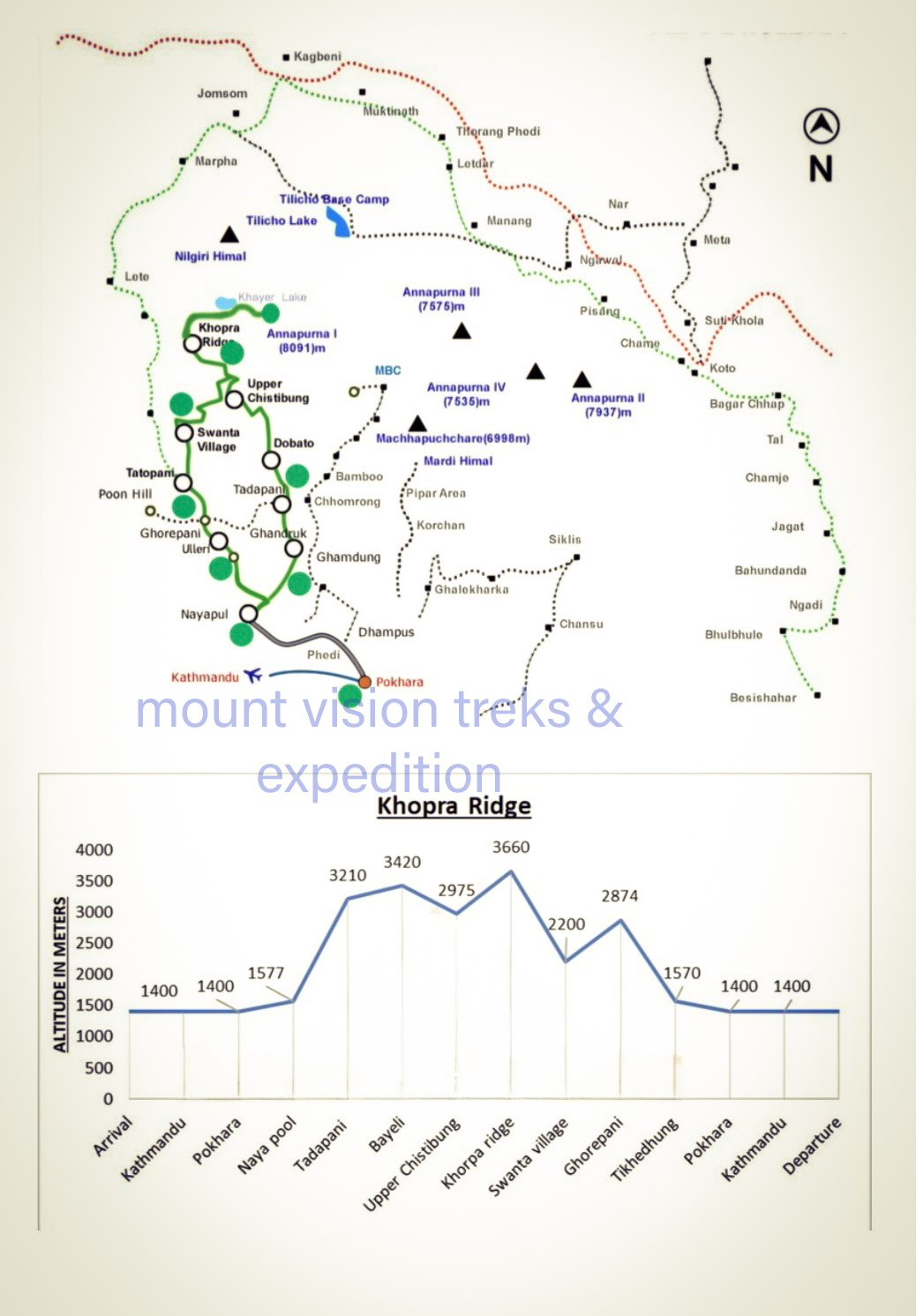
Itinerary
DAY 1
Drive from Pokhara to Kimche / Ghandruk (1940 m / 6,364 ft). Trek from Ghandruk to Tadapani (2,700 m/8,860 ft)
DAY 1
Drive from Pokhara to Kimche / Ghandruk (1940 m / 6,364 ft). Trek from Ghandruk to Tadapani (2,700 m/8,860 ft)
This trek usually begins in Pokhara. However, Discovery World Trekking offers a free bus travel from Kathmandu to Pokhara, where you will spend the night.
After breakfast in Pokhara, we drive to Nayapul before heading off-road to Ghandruk via Kimche. Ghandruk is well-known for its Buddhist monasteries and slate and stone architecture.
Before arriving at Tadapani, you will stroll through rhododendron woods, listening to waterfalls and bird chirpings and taking in views of Annapurna II (7,937 meters), Annapurna III (7,555 meters), Annapurna IV (7,525 meters), and Lamjung Himal (6,931 meters). There aren't many communities along the way, however Bhainsi Kharka does have various teahouses.
DAY 2
Trek from Tadapani (2,700 m/8,860 ft) to Bayeli Kharka (3,450m / 11,318ft)
DAY 2
Trek from Tadapani (2,700 m/8,860 ft) to Bayeli Kharka (3,450m / 11,318ft)
We will continue our trip into the open countryside, passing by the local water buffalo fields. You will progressively ascend, taking in the vistas of the Annapurna range until you reach a little pass. From this pass, the trail descends through rhododendron trees to a clearing called Bayli Kharka, where we will spend the night. Bayli Kharka village offers breathtaking views of Mt. Dhaulagiri (8,167m), the world's seventh-highest summit.
DAY 3
Trek from Bayli Kharka (3,450m/ 11,318ft) to Khopra Danda (Ridge) (3,660m / 11,811ft)
DAY 3
Trek from Bayli Kharka (3,450m/ 11,318ft) to Khopra Danda (Ridge) (3,660m / 11,811ft)
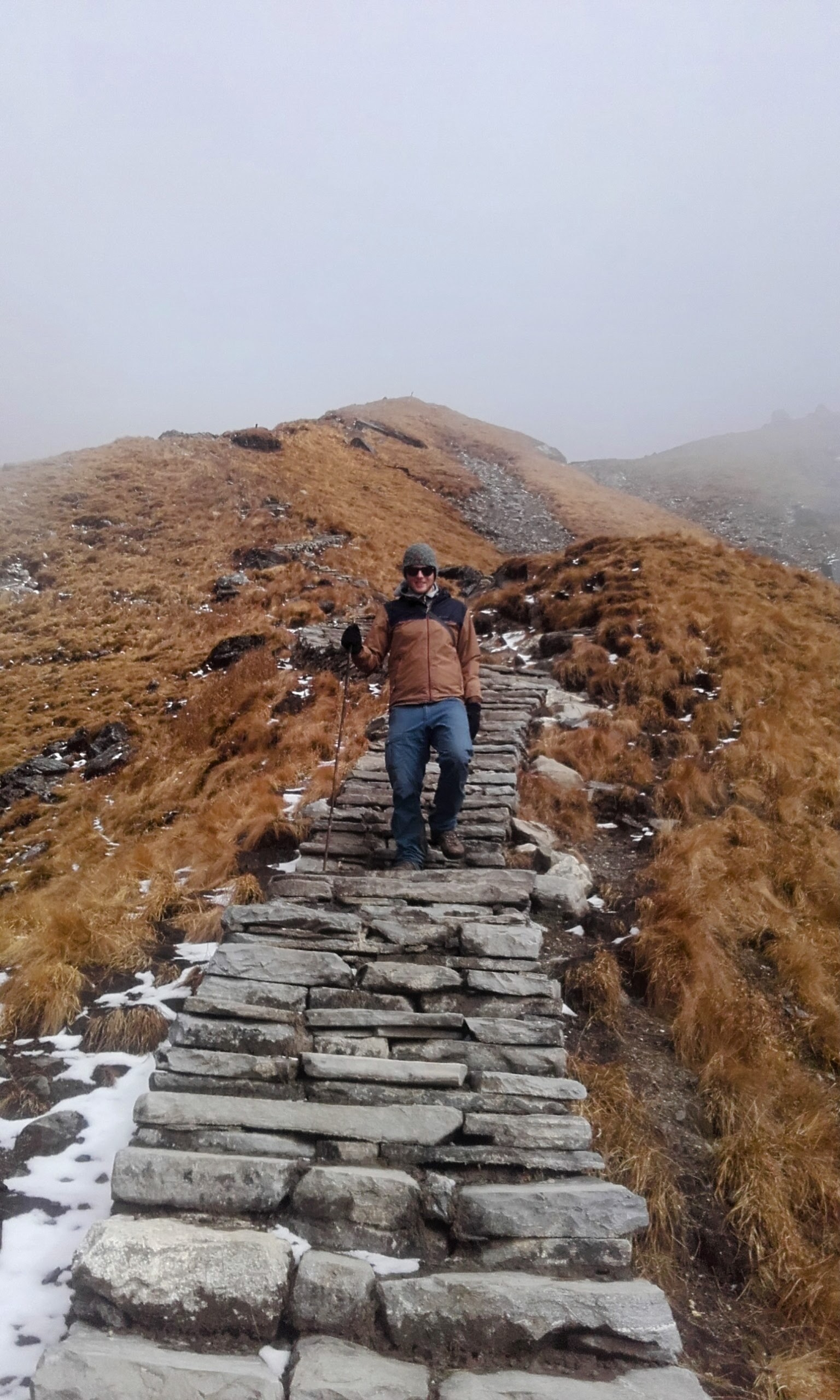
From Bayli Kharka, we descend through forests to Chistibang grasslands and hike for around 2 hours, ascending above the timberlines to Khopra Danda. On the route, you might catch a glimpse of Himalayan Tahr (goat) and Danfe (pheasant). Look above the horizon for breathtaking vistas of Dhaulagiri, Damphus Peak, Tukuche Peak, Nilgiri, Annapurna 1, Annapurna South, and deep into Sikha. The Khopra Ridge also affords views of Kaligandaki valley, the world's deepest valley.
DAY 4
Trek from Khopra Danda (Ridge) (3,660m / 11,811ft) to Swanta (2,214m / 7,874ft)
DAY 4
Trek from Khopra Danda (Ridge) (3,660m / 11,811ft) to Swanta (2,214m / 7,874ft)
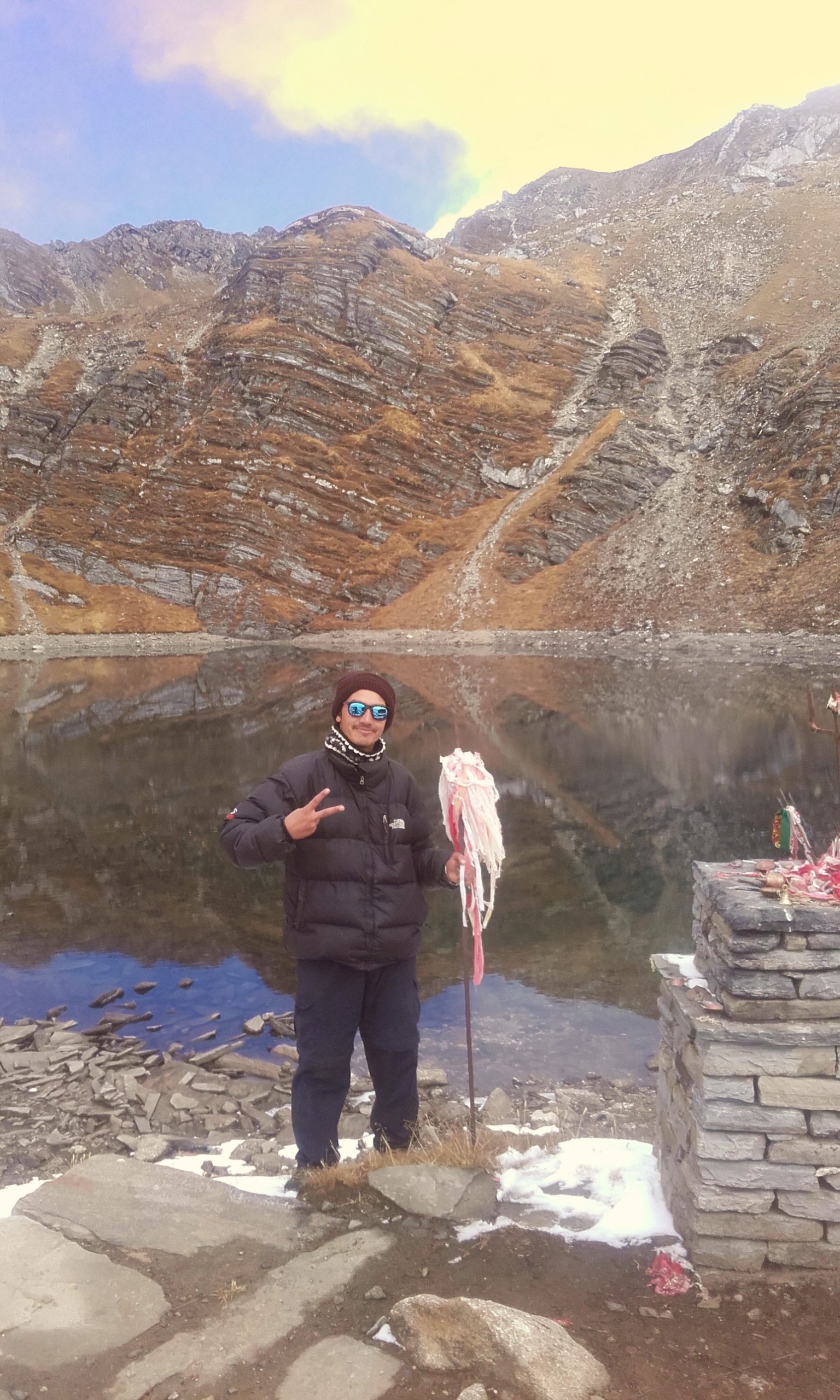
From Khopra Ridge, we can hike to Khayar Lake (4665m), which will take around 5 hours. This lake is considered holy by Hindus, who think that taking a swim in it will lead to Nirvana. After exploring the lake, we'll return to Khopra and climb down to Swanta Village. Swanta village is famous for its community cheese factory. You can explore Swanta Village and sample their cheese.
DAY 5
Trek from Swanta (2,214m / 7,874ft) to Ghorepani (2,880m / 9,350ft)
DAY 5
Trek from Swanta (2,214m / 7,874ft) to Ghorepani (2,880m / 9,350ft)
Today we will leave the picturesque town of Swanta and go to Ghorepani, our destination for the day. We will initially descend through the village fields until we reach a little river, which we will cross on a suspension bridge before ascending to Chittre village, where we will join the iconic Annapurna Circuit trekking track. We'll be ascending for a bit before reaching the Ghorepani.
DAY 6
Early morning hike to Poon Hill (3,210m / 10,525ft) then trek to Birethanti (1,039m / 3,250ft) -Drive to Pokhara.
DAY 6
Early morning hike to Poon Hill (3,210m / 10,525ft) then trek to Birethanti (1,039m / 3,250ft) -Drive to Pokhara.
We hike to Poon Hill (3,210m) early in the morning to watch the sunrise over the Annapurna and Dhaulagiri massifs, especially Mt Machhapuchhre (Fishtail). Poon Hill is also a popular destination for photographers seeking the best views of the Himalayas. We will not leave Poon Hill without taking photos to our hearts' content.
After witnessing exquisite sunrise views over massive mountains and rice terraces, we will return to Ghorepani and climb to Birethanti. From Birethanti, we will take a bus back to Pokhara via Nayapul. Your journey concludes in Pokhara.
Travel Styles
Cultural
Nature & Adventure
Independent
Activities
Festival & Events
Special Interest
Facilities
Wifi
Gymnasium
Mountain Bike
FAQs
What is the Khopra Danda Trek?
The Khopra Danda Trek is a lesser-known trek in the Annapurna region of Nepal. It offers stunning views of the Annapurna and Dhaulagiri ranges, cultural experiences in traditional Gurung villages, and a peaceful trail away from the crowds.
How difficult is the Khopra Danda Trek?
The trek is moderate in difficulty. It involves steep ascents, descents, and some high-altitude sections. Trekkers should have a good level of fitness and some prior trekking experience.
What is the best time to do the Khopra Danda Trek?
Spring (March to May): Rhododendron forests are in full bloom, and the weather is pleasant.
Autumn (September to November): Clear skies and excellent mountain views.
Avoid monsoon (June to August) and winter (December to February) due to rain, snow, and cold temperatures.
How long does the Khopra Danda Trek take?
The trek typically takes 5 to 7 days, depending on the itinerary. A 6-day itinerary is the most popular, covering Tadapani, Dobato, Khopra Danda, and Swanta Village.
What permits are required for the Khopra Danda Trek?
Annapurna Conservation Area Permit (ACAP)
TIMS (Trekkers' Information Management System) Card
These permits can be obtained in Pokhara or Kathmandu.
What are the highlights of the Khopra Danda Trek?
Panoramic views of Annapurna South, Dhaulagiri, and Nilgiri.
Sacred Khayer Lake (optional side trip).
Traditional Gurung villages and cultural experiences.
Less crowded trails compared to other Annapurna treks.
What is the altitude of Khopra Danda, and is altitude sickness a concern?
Khopra Danda is at 3,660 meters (12,008 feet). Altitude sickness can be a concern, especially if you ascend too quickly. Symptoms include headaches, dizziness, and nausea. To prevent altitude sickness:
Ascend gradually.
Stay hydrated.
Take rest days if needed.
What should I pack for the Khopra Danda Trek?
Essential items include:
Clothing: Warm layers, down jacket, thermal wear, trekking pants, and rain gear.
Footwear: Sturdy trekking boots and comfortable socks.
Accessories: Sunglasses, hat, gloves, and a headlamp.
Gear: Backpack, sleeping bag (rated for -10°C), trekking poles, and water purification tablets.
Miscellaneous: First aid kit, sunscreen, toiletries, and snacks.
What is the accommodation like on the Khopra Danda Trek?
Accommodation is in teahouses or lodges, which offer basic facilities like a bed, blanket, and shared bathrooms. In higher altitudes, amenities are more limited, and heating may not be available.
Is the Khopra Danda Trek suitable for beginners?
The trek is suitable for beginners with good fitness levels. However, some sections are steep and challenging, so prior trekking experience is beneficial.
What is the food like on the Khopra Danda Trek?
Teahouses serve a variety of meals, including:
Dal Bhat (rice, lentils, and vegetables)
Noodles, pasta, and soups
Tibetan bread and pancakes
Eggs, porridge, and tea
Vegetarian options are widely available.
How do I get to the starting point of the trek?
The trek usually starts from Pokhara. From Pokhara, take a jeep or bus to Kimche or Ghandruk, and then begin your trek.
Are there any risks on the Khopra Danda Trek?
The main risks include:
Altitude sickness
Unpredictable weather
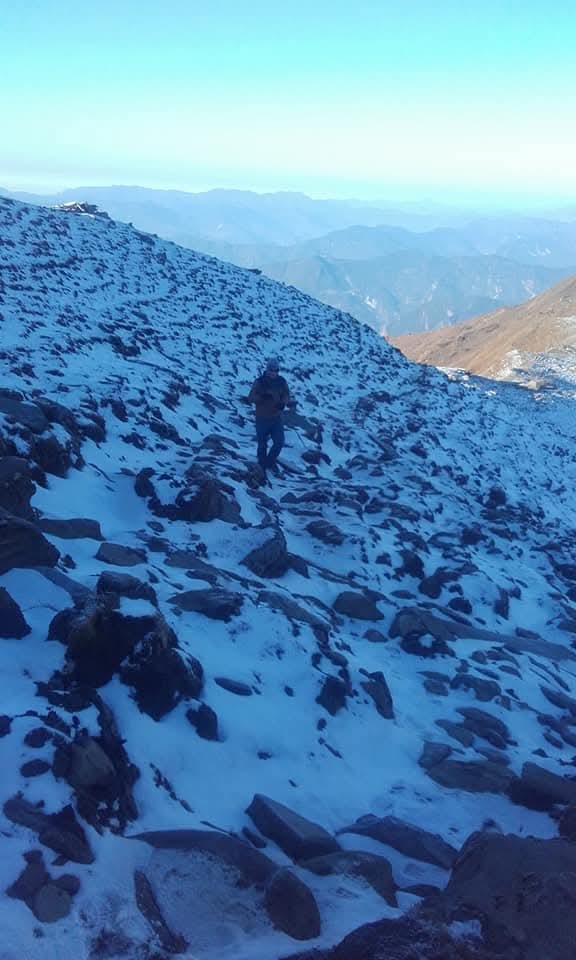
Rocky and slippery trails
Proper preparation, acclimatization, and hiring a guide can mitigate these risks.
What is the cost of the Khopra Danda Trek?
The cost ranges from
400
t
o
400to800, depending on the group size, guide/porter services, and accommodation choices. This typically includes permits, transportation, food, and lodging.
Can I combine this trek with other treks in Nepal?
Yes, many trekkers combine this trek with the Mardi Himal Trek or extend their journey to explore more of the Annapurna region. like ABC, JOMSOM, MUKTINATH,
Is Wi-Fi or mobile network available on the trek?
Wi-Fi is available in some teahouses for a small fee, but the connection is slow. Mobile networks (NTC and Ncell) work in lower altitudes but may be unreliable in higher areas.
How do I prepare for the Khopra Danda Trek?
Train with cardio and strength exercises.
Go on practice hikes with a loaded backpack.
Learn about altitude sickness and its prevention.
Pack appropriately for cold and variable weather.
Get travel insurance that covers high-altitude trekking.
How is trails on khopra danda trek?
One of the Khopra Danda Trek's most appealing features is its trekking trails, which offer a mix of natural beauty, cultural experiences, rocky, steep, and varying terrain.
How far in advance should I book the Khopra Danda Trek?
We recommend you book at least one month in advance to secure accommodation, permits, and guide availability, especially during peak seasons.
What is the payment process for booking this trek?
We need 10 percent of the trek cost as an advance to confirm the booking. You can pay using bank transfer, credit card, Wise, or Western Union. The rest of the payment is due when you arrive in Kathmandu. In Kathmandu, you can also pay in cash. We will also email you payment details.
Are there any cancellation or refund policies for the trek?
Yes, please visit our terms and conditions page.
Tour Location
Annapurna Base Camp
Reviews
0/5
Not Rated
Based on
0 review
Excellent
0
Very Good
0
Average
0
Poor
0
Terrible
0
No Review
MVTreks and Expedition

Member Since Dec 2024
33%
from
$900
$600
Tour Start Date
{{ start_date_html }}
Tour End Date
{{ end_date_html }}
Last Booking Date
{{ last_booking_date_html }}
{{start_date_html}}
{{type.desc}}
{{type.display_price}} per person
Extra prices:
({{type.price_type}})
{{type.price_html}}
Discounts:
{{type.from}} - {{type.to}} guests
from {{type.from}} guests
- {{ formatMoney(type.total) }}
({{type.price_type}})
{{ type.price }}%
{{ formatMoney(type.price) }}
- {{total_price_html}}
- {{pay_now_price_html}}
You might also like
Featured
15%
Annapurna Region
12D
from
$1,000
$850
Featured
35%
Annapurna Region
5D
from
$1,000
$650
from
$900
$600