
GOKYO-RI EVEREST PANORAMA TREKKING
Solukhumbu, Nepal
4.7/5
100% of guests recommend
Duration
11 Days
Tour Type
Everest Trekking
Group Size
20 persons
Location
Mount Everest
Overview
"Marvelous walks with enjoyable mountains views to scenic Gokyo valley and its lakes Adventure on top high Gokyo-Ri facing world’s four highest mountains with Mt. Everest Exceptional views of Khumbu high mountains in the shade of mighty Everest Explore impressive Sherpa villages enriched with age-old heritage and culture Flying in and taking off at unique Lukla airstrip with sweeping mountain panorama Within World Heritage Sites of Sagarmatha National Park and its cool alpine woodland."
MAJOR HIGHLIGHTS OF THE GOKYO-RI EVEREST PANORAMA TREKKING
- Stunning Panoramic Views of Mount Everest - Enjoy breathtaking vistas of Everest, Lhotse, Makalu, and Cho Oyu from the summit of Gokyo Ri.
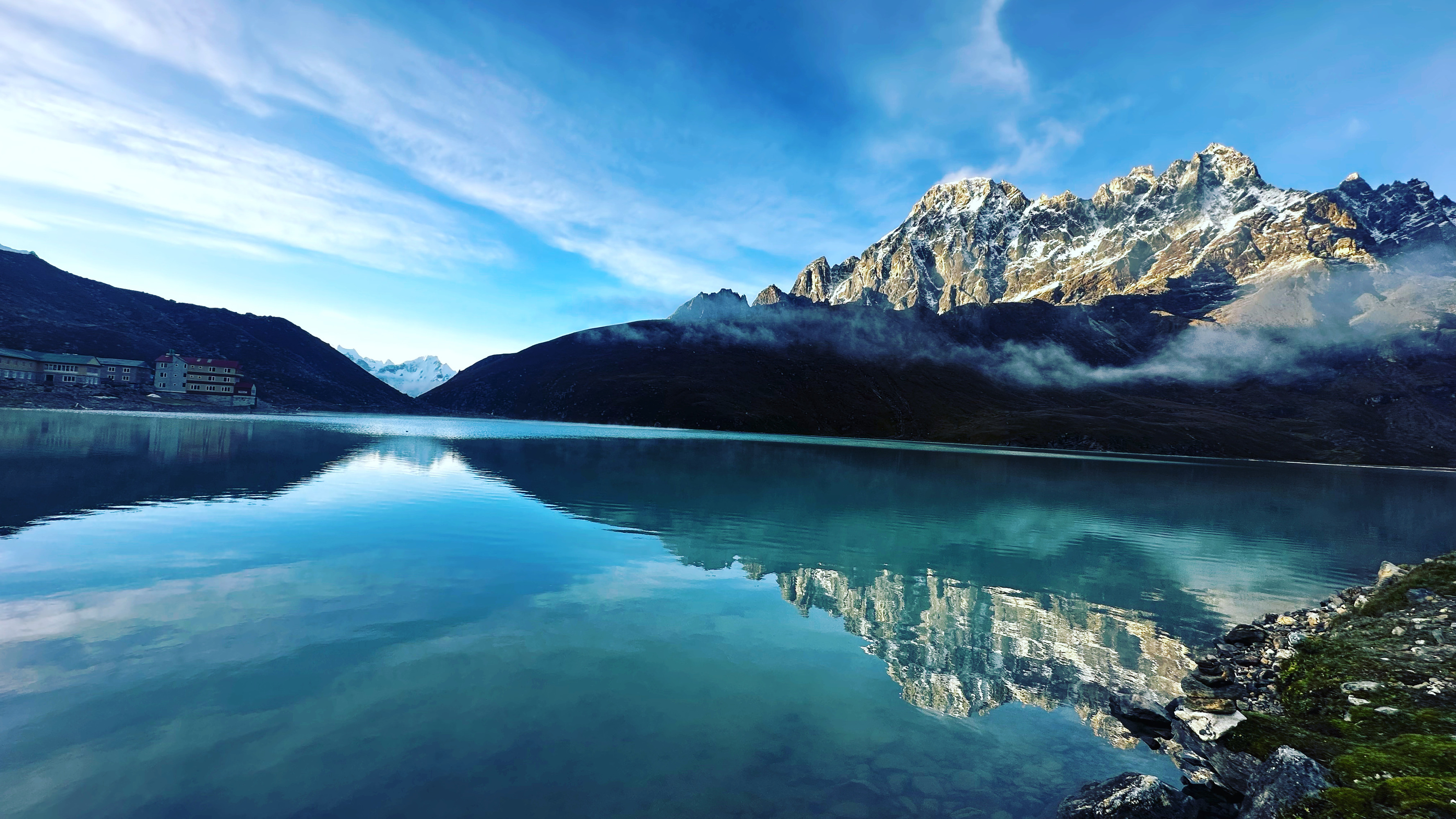
- Mesmerizing Gokyo Lakes - Witness the enchanting turquoise glacial lakes, perfect for photography and serene reflections.
- Scenic Gokyo Valley - Trek through the peaceful Gokyo Valley, surrounded by majestic Himalayan peaks and traditional Sherpa villages.
- Renjo La Pass (Optional Adventure) - Take on the challenge of Renjo La Pass for an off-the-beaten-path adventure and unique mountain views.
- Dudh Koshi River Trails - Follow the pristine, glacier-fed waters of the Dudh Koshi River along picturesque trekking routes.
- Cultural Hub: Namche Bazaar - Explore the vibrant Sherpa town, known for its rich culture, local markets, and stunning viewpoints.
- Sagarmatha National Park - Trek through this UNESCO World Heritage Site, home to diverse wildlife and stunning Himalayan landscapes.
- Authentic Sherpa Culture and Heritage - Visit traditional monasteries, interact with friendly locals, and learn about the Sherpa way of life.
- Peaceful and Less-Crowded Trails - Experience tranquility and solitude compared to the busier Everest Base Camp trekking routes.
- Golden Sunrise and Sunset Views - Marvel at unforgettable sunrises and sunsets from Gokyo Ri, painting the Himalayan giants in golden hues.
Mode of Trekking:
Challenging , high altitude, mixed terrain.
Trek Grade:
challenging and Adventurous due to high altitude terrain
Area of Trek:
North Mid-East Everest and khumbu region of sagarmatha national park and solukhumbu distric of Nepal.
Highest Altitude Gain:
On top Gokyo-Ri 5,357 m high.
People and Culture:
Mainly populated by Sherpa the highlanders of Everest. Enriched with colourful Buddhist religion and impressive culture.
Trek Duration:
10 Nights and 11 Days (Lukla to Lukla)
Average walks:
Minimum 4 hrs to Maximum 6 hrs or more.
Total Trip:
14 Nights and 15 Days Kathmandu to Kathmandu.
Seasons:
All months of the year except monsoon times from June to August, however March to May is good for treks when wild-flowers in full bloom, where most of the days are clear for views Morning and Night time as well in shade will be cold without wind-chill factor, October to December another best months to trek when day is clear, but short sunlight hours due to autumn and winter months will be very cold morning/night times with chances of snow.
ABOUT GOKYO-RI EVEREST PANORAMA TREKKING
Gokyo-Ri Everest Panorama Trekking, where the adventure leads you within the photogenic and picturesque Gokyo valley and its emerald-colored lakes hidden by high peaks with close views of world's 6th highest Mt. Cho-Oyu 8,201 meter and 26, 906 ft high, situated in between Nepal and Tibet / China.
A fantastic walk on Gokyo-Ri Everest Panorama trekking where you will stand on the highest spot at above 5,357 m overlooking the breathtaking panorama of the world's four highest mountains including Cho-Oyu, Everest, Lhotse with 5th highest Mt. Makalu towards east direction.
Truly a fantastic hilltop for excellent views of the surrounding dramatic Khumbu landscapes with rolling hills, rocky and icy peaks with Ngozumba Glacier, and simmering lakes of Gokyo down below from a high Gokyo-Ri view point.
Gokyo-Ri Everest Panorama begins with a sweeping short flight to land on a small airstrip at Lukla, the gateway town for many adventures around high Khumbu, where the walk leads at the end of Lukla town and then downhill with pleasant winding trails into Dudh-Kosi River valley and gorge with views of snow peaks.
Walking includes visiting interesting villages of Ghat-Phakding and Monjo adorned with religious monuments of Mani-Walls (prayer walls) with intricate carved Tibetan inscriptions as the walk leads into the cool shade of pine and rhododendron forest to reach at famed Namche Bazaar.
At Namche with necessary rest days for acclimatization with sidewalks and hikes to scenic hills to catch views of Everest, and magnificent Amadablam with a range of peaks, Namche is the hub of Khumbu Sherpa where every Saturday a busy colorful market takes place.
From Namche, our route diverts from the main trekking trails heading towards remote and isolated corners of the high Khumbu Valley to reach at beautiful Gokyo Valley enclosed by a series of peaks where a morning hike takes you on top of Gokyo-Ri for an incredible panorama of world's highest mountains along with stunning sunrise views.
After a glorious and exciting time around scenic Gokyo Valley and its lakes, the return journey leads all the way on downhill walks past Namche Bazaar to reach Lukla for the scenic short flight back to Kathmandu with ever-lasting memories of wonderful experience and adventure on Gokyo-Ri Everest Panorama Trekking.
Essential Packing List for Gokyo-Ri Everest Panorama Trekking
-
Clothing Essentials
- Base Layers: Moisture-wicking thermal tops and bottoms.
- Insulated Jacket: Down or synthetic for cold temperatures.
- Trekking Pants: Comfortable and quick-drying.
- Waterproof Jacket and Pants: Essential for rain and snow protection.
- Fleece Jacket or Sweater: For layering and warmth.
- Trekking Shirts: Lightweight and breathable (long and short-sleeved).
- Gloves: Insulated and waterproof pairs.
- Socks: Woolen and moisture-wicking pairs.
- Sun Hat and Warm Beanie: For sun protection and cold temperatures.
-
Footwear
- Trekking Boots: Sturdy, waterproof, and broken-in.
- Camp Shoes: Lightweight for relaxation at tea houses.
- Gaiters: To keep snow and debris out of your boots.
-
Backpack and Gear
- Daypack: 20-30 liters for daily essentials.
- Duffel Bag: For carrying items (carried by porters).
- Trekking Poles: Adjustable and sturdy for stability.
- Sleeping Bag: Warm, rated for -10°C to -20°C.
- Headlamp: With extra batteries for evening or early morning treks.
-
Health and Hygiene
- Water Bottles and Purification Tablets: Stay hydrated with clean water.
- Personal First Aid Kit: Band-aids, antiseptic, and medications for altitude sickness, colds, or pain relief.
- Toiletries: Toothbrush, toothpaste, biodegradable soap, and wipes.
- Sunscreen and Lip Balm: High SPF for sun protection.
- Hand Sanitizer: For hygiene on the trail.
-
Snacks and Energy Boosters
- Trail Mix: Nuts, dried fruits, and chocolates.
- Energy Bars: Compact and high-calorie.
-
Electronics and Accessories
- Camera and Spare Batteries: For capturing stunning landscapes.
- Power Bank: To charge devices in remote areas.
- Travel Adapter: For Nepal’s electrical outlets.
-
Important Documents
- Passport: With a valid Nepal visa.
- Trekking Permits: Sagarmatha National Park Entry Permit and TIMS card.
- Travel Insurance: Covers high-altitude trekking and emergency evacuation.
-
Miscellaneous Items
- Maps and Guidebook: For navigation and reference.
- Reusable Bags: To reduce waste and carry extra items.
- Cash: For expenses in remote areas (no ATMs on the trek).
Additional Tips:
- Layer your clothing to adapt to changing weather.
- Test your gear, especially footwear, before the trek.
- Pack light, focusing on essentials only.
This comprehensive packing list for Gokyo-Ri Everest Panorama Trekking ensures a comfortable, safe, and enjoyable adventure in the Everest region.
Included/Excluded
Three times meals (breakfast,lunch,dinner) breakfast with hot drinks . accommodations during trekking tea house basis
Flight ticket to Lukla from Kathmandu or Ramechhap including airport transfer to domestic airport.
All necessary permits for trekking
accommodation during the trek (Twin Sharing Base)
duffels bags , sleeping bags , down jackets if you needed
first aid box , water purified pills
Staff insurance, well-paid salary, equipment, food, Hotel, etc.
International airfare, Nepal visa fee and any kind of insurance
Insurance
Bar bills, extra foods hot drinks , drinking water
wifi, hot showers, local entrance fees, donations, mobile or power bank charge
tips for guide and porters (expected)
Hotel in kathmandu (for not included on price )
Local entrance fees and donation .
extra days in nepal
Itinerary
DAY 1
Flight from Kathmandu (1,400m / 4,593ft) to Lukla (2,850m / 9,350ft) Trek to Phakding (2650m/ 8562ft)
DAY 1
Flight from Kathmandu (1,400m / 4,593ft) to Lukla (2,850m / 9,350ft) Trek to Phakding (2650m/ 8562ft)
After a 40-minute flight to Lukla, we walk for three hours to reach Phakding. We hike to Chaurikharka village from Lukla and then descend to Dudh Koshi Ghat (2,530m). You will arrive in Phakding (2,650m) after across the Dudh Koshi River and hiking through breathtaking scenery. You can acclimate at a higher altitude because the day is brief and cool. The Everest trek begins in Phakding, which has everything from cafes and restaurants to stores selling equipment and accommodations. You can go to the well-known Rimishung Monastery in your free time.
DAY 2
Trek from Phakding (2,650m / 8,562ft) to Namche Bazaar (3,440m / 11,285ft)
DAY 2
Trek from Phakding (2,650m / 8,562ft) to Namche Bazaar (3,440m / 11,285ft)
We set out on a full day of trekking, across multiple suspension bridges adorned with prayer flags as we climb along the banks of the Dudh Koshi River. Your walk will be quite enjoyable due to the amazing yet exciting path. You will arrive at Monjo Village after several hours of walking. Sagarmatha National Park is a short distance away, where we register our permission and ascend the forest. You will be able to see Mount Everest for the first time from this location. You will eventually arrive in Namche Bazaar, where you will spend the night after traveling through the woods and down a stone-paved path.
DAY 3
Acclimatization and stay at khumjung village
DAY 3
Acclimatization and stay at khumjung village
An acclimatization day at Khumjung from Namche Bazaar is an excellent way to adjust to the altitude while exploring the rich Sherpa culture and stunning surroundings. The trek from Namche to Khumjung takes about 2–3 hours, starting with a steep climb up to the Everest View Hotel (3,880m), which offers breathtaking panoramas of Everest, Lhotse, and Ama Dablam. After enjoying the views, the trail descends gradually into the peaceful village of Khumjung (3,790 m), the largest Sherpa village in the Khumbu region. Spending the night here aids acclimatization by following the “climb high, sleep low” principle, helping your body adjust to higher elevations. In Khumjung, trekkers can visit the Khumjung Monastery, which is said to house a yeti scalp, and explore the Hillary School, established by Sir Edmund Hillary. The village offers comfortable teahouses with warm Sherpa hospitality, providing a tranquil atmosphere surrounded by towering peaks. This acclimatization stop not only prepares trekkers for higher altitudes but also offers a deep cultural experience in the heart of the Himalayas.
DAY 4
Trek to Dole(4200) from khumjung
DAY 4
Trek to Dole(4200) from khumjung
The trek from Khumjung to Dole is a scenic and moderately challenging journey that takes around 5–6 hours, offering beautiful mountain views and a gradual ascent into the Gokyo Valley. Starting from Khumjung, the trail climbs steadily towards Mong La (3,975m), a peaceful ridge that provides stunning panoramas of Ama Dablam, Thamserku, and Kangtega. Mong La is an excellent spot for a short break, with a few teahouses where trekkers can rest and enjoy the breathtaking scenery. From here, the trail descends sharply through rhododendron and pine forests to the Dudh Koshi River, where the sound of rushing water accompanies the walk.
After crossing the river, the path ascends steeply through forests of birch and juniper, offering occasional glimpses of Himalayan wildlife such as musk deer and colorful pheasants. As the trail gains altitude, the vegetation becomes sparser, and the landscape opens up, revealing expansive views of the surrounding peaks. The final stretch to Dole (4,200m) is a gradual climb through open hillsides, with the fresh mountain air and quiet surroundings providing a sense of tranquility. Dole is a small settlement with a handful of teahouses, offering a peaceful atmosphere and stunning views of Khumbila and Taboche. An overnight stay in Dole allows trekkers to rest and acclimatize, preparing them for the higher altitudes ahead on the journey to Machhermo and Gokyo.
DAY 5
Trek from Dole (4,200m / 13,270ft) to Machhermo (4,470m / 14,450ft)
DAY 5
Trek from Dole (4,200m / 13,270ft) to Machhermo (4,470m / 14,450ft)
Up till Lapahrma, you will pass numerous prayer flags and shrines along the trail. The fifth-highest mountain in the world, Mount Cho Oyu (8,201m), is magnificently seen from Lapahrma. You will also be enthralled by the vistas of Thamserku (6,623m) and Mount Kantega (6,782m).
When the time is appropriate, you will come across lovely fields where yaks are grazing. To get to the lovely village of Machhermo, you will stroll through the Luja Valley while taking in the stunning vistas.
DAY 6
Trek from Machhermo (4,470m / 14,450ft) to Gokyo (4,790m / 15,584ft)
DAY 6
Trek from Machhermo (4,470m / 14,450ft) to Gokyo (4,790m / 15,584ft)
The trek from Machhermo (4,470m / 14,450ft) to Gokyo (4,790m / 15,584ft) is a breathtaking journey that takes about 4–5 hours, offering stunning views of towering peaks and pristine glacial landscapes. The trail begins with a gentle climb along the valley ridge, providing magnificent vistas of Cho Oyu (8,188m) in the distance, along with views of Kangtega and Thamserku. As you ascend, the terrain becomes more rugged, with the path following the Dudh Koshi River, which originates from the Ngozumpa Glacier, the largest glacier in Nepal.
The route continues with gradual ascents and occasional steep sections, passing through alpine meadows where yaks graze. Along the way, trekkers encounter a series of beautiful turquoise lakes, the first being Longpongo (4,690m), followed by Taboche Tsho, each offering perfect photo opportunities with their mirror-like reflections of the surrounding mountains. The atmosphere becomes increasingly serene as the trail winds between the lakes, leading to the third and largest lake, Dudh Pokhari, beside which the village of Gokyo is situated.
Gokyo is a peaceful settlement with cozy teahouses and stunning views of Cho Oyu looming at the head of the valley. Upon arrival, trekkers can relax by the lakeside, soaking in the tranquil surroundings, or explore the nearby ridges for more panoramic views. This short yet rewarding trek not only provides spectacular scenery but also allows for gradual acclimatization, making it an ideal stop before ascending Gokyo Ri or continuing towards the Cho La Pass.
DAY 7
Rest day to acclimatize at Gokyo. Early morning summit of Gokyo Ri (5,400m / 17,814ft)
DAY 7
Rest day to acclimatize at Gokyo. Early morning summit of Gokyo Ri (5,400m / 17,814ft)
A rest day at Gokyo is essential for proper acclimatization and provides the perfect opportunity to explore the stunning surroundings of the Gokyo Valley. Gokyo, located at an elevation of 4,790m (15,715ft) beside the tranquil Gokyo Lakes, offers breathtaking views of snow-capped peaks reflected in the crystal-clear waters. This rest day helps trekkers adjust to the high altitude, reducing the risk of altitude sickness before heading to more challenging sections of the trek.
For those feeling strong and well-acclimatized, an early morning ascent of Gokyo Ri (5,400m / 17,814ft) is the highlight of the day. The climb to Gokyo Ri is steep and demanding, taking about 2–3 hours, but the effort is rewarded with one of the most spectacular panoramic views in the Everest region. From the summit, trekkers are treated to a breathtaking 360-degree panorama of some of the world's highest peaks, including Mount Everest (8,848m), Lhotse (8,516m), Makalu (8,485m), and Cho Oyu (8,188m). The sunrise view from Gokyo Ri is particularly stunning, with the morning light casting golden hues over the towering mountains and turquoise lakes below.
After spending time soaking in the views and capturing memorable photos, the descent back to Gokyo takes about 1–1.5 hours. The rest of the day can be spent relaxing by the lakes, exploring nearby ridges, or simply resting at a teahouse to regain energy. This acclimatization day and the Gokyo Ri climb not only offer unforgettable scenery but also prepare trekkers physically and mentally for the upcoming high-altitude challenges.
DAY 8
Trek from Gokyo (4,790m / 15,584ft) to Phortse (3,950m / 12,959ft)
DAY 8
Trek from Gokyo (4,790m / 15,584ft) to Phortse (3,950m / 12,959ft)
It's time to go back after an amazing trip to Gokyo Lakes. We say goodbye to Gokyo Village and make our way back to Phortse, passing through thick forests where pheasants soar in the appropriate season and rhododendrons bloom.
It's a simpler descent. Therefore, we will cross a distance that took us two days to climb in a single day. You will be thinking back on the different places and views you have seen in the past as you make your way back. We gradually lose sight of the Himalayas, but the atmosphere is so lovely and unadulterated that you will thoroughly enjoy our stroll.
DAY 9
Trek from Phortse (3,950m / 12,959ft) to Namche Bazaar (3,440m / 11,285ft)
DAY 9
Trek from Phortse (3,950m / 12,959ft) to Namche Bazaar (3,440m / 11,285ft)
We return to Namche from Phortse as our trip to Gokyo Lakes comes to an end. You will pass through thick forests that are home to creatures like mountain goats and musk deer. Your pace quickens on the steep downhill return trail. As you say goodbye to the trek area, you will take in the last glimpses of Mount Everest from the trail. On this day, you will be sleeping at Namche.
DAY 10
Trek from Namche Bazaar (3,440m / 11,285ft) to Lukla (2,850m / 9,350ft)
DAY 10
Trek from Namche Bazaar (3,440m / 11,285ft) to Lukla (2,850m / 9,350ft)
Today you will be getting final up-close views of majestic mountains looming on the horizon. The trail is mostly downhill from Namche to Phakding. Our trek passes through small villages, narrow forests, and thrilling suspension bridges. We will finally reach Phakding after a gentle walk through Benkar. As we move ahead to Lukla, we further reach a small village called Toktok. Toktok provides unique views of the snow-capped mountains near it. Eventually, you will get to Lukla, where you will be staying overnight.
DAY 11
Fly back to Kathmandu (1,400m / 4,593ft) from Lukla (2,850m / 9,350ft)
DAY 11
Fly back to Kathmandu (1,400m / 4,593ft) from Lukla (2,850m / 9,350ft)
You will be flying to Kathmandu early in the morning after breakfast. As you rest your weary muscles, your trip from Lukla to Kathmandu will be a soothing one. The memories you made on the walk will probably flood your mind. In Kathmandu, where your journey comes to a conclusion, you will have a whole day to yourself. We can plan a Kathmandu city trip if you'd like. Even if the mountains are stunning, you must experience the local culture before ending your trip.
Travel Styles
Cultural
Nature & Adventure
Activities
Festival & Events
Special Interest
Facilities
Wifi
Staff Lounge
FAQs
What is the Gokyo Ri Panorama Trek?
The Gokyo Ri Panorama Trek is a scenic trekking route in the Everest region of Nepal, offering stunning panoramic views of the world’s highest peaks, including Mount Everest, Lhotse, Makalu, and Cho Oyu. It also features the beautiful Gokyo Lakes and the Ngozumpa Glacier.
How difficult is the Gokyo Ri Panorama Trek?
The Gokyo Ri Panorama Trek is considered a moderate to challenging trek. While no technical climbing skills are required, trekkers should have good physical fitness due to high-altitude hiking and steep ascents.
What are the highlights of the Gokyo Ri Panorama Trek?
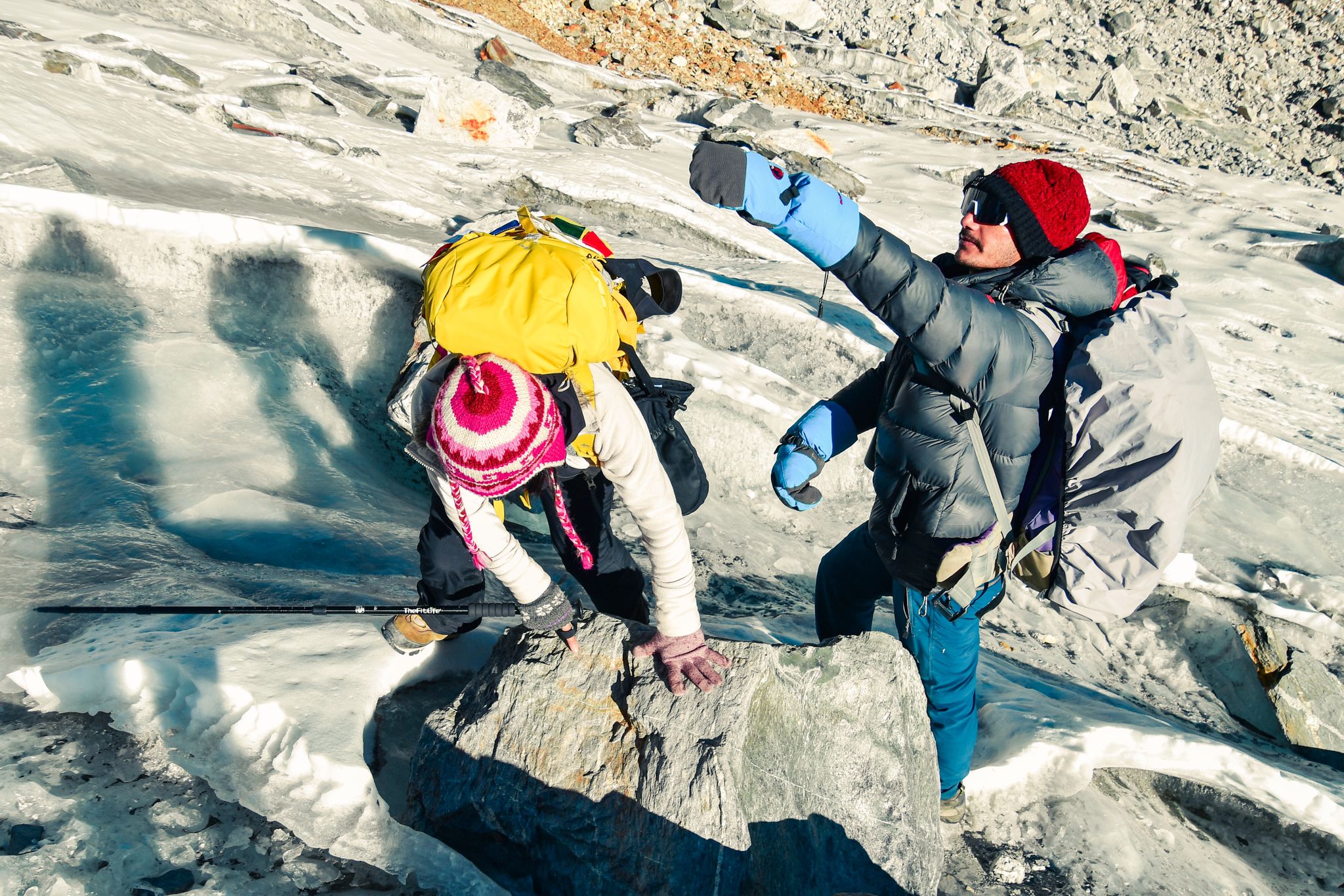
The Gokyo Ri Panorama Trek offers an unforgettable experience with its breathtaking highlights. Trekkers are rewarded with panoramic views of some of the world’s highest peaks, including Mount Everest, Lhotse, Makalu, and Cho Oyu. A key attraction is the serene Gokyo Lakes, a stunning collection of turquoise glacial lakes recognized as a UNESCO-listed Ramsar site for their ecological significance. The trek also involves crossing the Ngozumpa Glacier, the largest glacier in the Himalayas, adding a sense of adventure to the journey. The ascent of Gokyo Ri (5,357m) is the ultimate highlight, offering a breathtaking sunrise view over the towering Himalayan giants. Moreover, the less crowded trails compared to the Everest Base Camp route make this trek a perfect choice for those seeking tranquility, natural beauty, and authentic Himalayan experiences.
How difficult is the Gokyo Ri Panorama Trek?
The Gokyo Ri Panorama Trek is considered a moderate to challenging trek. While no technical climbing skills are required, trekkers should have good physical fitness due to high-altitude hiking and steep ascents.
How long does the Gokyo Ri Panorama Trek take?
Typically, the Gokyo Ri Panorama Trek takes 12 to 14 days, depending on the itinerary and acclimatization needs. This includes travel to and from Lukla, rest days, and the climb to Gokyo Ri.
What is the best time to do the Gokyo Ri Panorama Trek?
The best seasons for the Gokyo Ri Trek are:
Spring (March to May): Clear skies, blooming rhododendrons.
Autumn (September to November): stable weather, best mountain visibility.
Both seasons offer ideal weather conditions and breathtaking views.
Is previous trekking experience required for Gokyo Ri Panorama Trek?
While previous high-altitude trekking experience is helpful, it is not mandatory. However, good physical fitness, mental preparedness, and some hiking experience are recommended.
What permits are required for the Gokyo Ri Panorama Trek?
You will need:
Sagarmatha National Park Entry Permit
Khumbu Pasang Lhamu Rural Municipality Entry Permit.
These permits can be arranged in Kathmandu or Lukla.
What is the maximum altitude reached during the Gokyo Ri Trek?
The highest point of the trek is Gokyo Ri, standing at an elevation of 5,357 meters (17,575 ft).
How do I get to the starting point of the Gokyo Ri Trek?
The trek typically starts from Lukla, accessible via a scenic flight from Kathmandu. From Lukla, you’ll trek through villages like Namche Bazaar and Dole before reaching Gokyo.
Are there any risks of altitude sickness during the trek?
Yes, altitude sickness is a concern due to the high elevations. Proper acclimatization, hydration, and ascending slowly are essential. Guides and porters can help monitor your health.
What is altitude sickness?
Altitude Sickness, also known as Acute Mountain Sickness (AMS), is a condition that occurs when you ascend to high altitudes too quickly, and your body doesn’t have enough time to adapt to the lower oxygen levels in the air. It is a common concern for trekkers, climbers, and travelers visiting high-altitude destinations like Everest Base Camp, Annapurna Circuit, or other mountainous regions. At higher altitudes, the air pressure is lower, and the amount of oxygen available decreases, which can lead to insufficient oxygen supply to your body, causing various symptoms.
What are the symptoms of altitude sickness?
The symptoms of altitude sickness can range from mild to severe and usually appear within 6–24 hours of reaching a high altitude. Mild symptoms include headaches (the most common symptom), nausea or vomiting, dizziness, fatigue, shortness of breath, loss of appetite, and difficulty sleeping. In severe cases, altitude sickness can progress to High Altitude Pulmonary Edema (HAPE), which involves fluid buildup in the lungs, causing coughing, chest tightness, and extreme shortness of breath, or High Altitude Cerebral Edema (HACE), which involves swelling of the brain, leading to confusion, loss of coordination, and difficulty walking. Both HAPE and HACE are life-threatening and require immediate medical attention.
What are the reasons to get altitude sickness?
The primary cause of altitude sickness is the rapid ascent to high altitudes without proper acclimatization. As you climb higher, the air becomes thinner, and your body struggles to get enough oxygen. Factors like physical exertion, dehydration, and individual susceptibility can also increase the risk. Altitude sickness typically occurs at elevations above 2,500 meters (8,200 feet), but the risk increases significantly as you go higher.
How to prevent altitude sickness?
Preventing altitude sickness involves several key strategies. First, ascend slowly to allow your body time to adapt. A general rule is to avoid gaining more than 300–500 meters (1,000–1,600 feet) in elevation per day above 3,000 meters. Second, stay hydrated by drinking plenty of water (3–4 liters per day) to help your body acclimatize. Third, avoid alcohol and smoking, as they can worsen symptoms and dehydrate your body. Fourth, include rest days in your itinerary for acclimatization, especially when crossing 3,000 meters. Fifth, consider taking medications like Diamox (Acetazolamide) after consulting a doctor, as it can help prevent altitude sickness. Finally, listen to your body and descend immediately if symptoms worsen.
Why choose Gokyo Ri over the classic Everest Base Camp Trek?
The Gokyo Ri Trek offers a quieter and less crowded alternative to the classic Everest Base Camp route. It features stunning views of Gokyo Lakes, the Ngozumpa Glacier, and a panoramic view of four 8,000-meter peaks from Gokyo Ri, making it a unique Himalayan adventure.
Can Gokyo Ri Trek be combined with Everest Base Camp?
Yes! Many trekkers choose the Everest Base Camp via Gokyo Ri and Cho La Pass route. This combined trek offers the best of both worlds: the serene beauty of Gokyo Lakes and the iconic experience of reaching Everest Base Camp.
What kind of accommodation is available during the Gokyo Ri Trek?
Trekkers stay in teahouses (lodges) that provide basic amenities, local meals, and cozy rooms. Facilities become more basic at higher altitudes.
What should I pack for the Gokyo Ri Panorama Trek?
When preparing for the Gokyo Ri Panorama Trek, packing the right gear is essential for a safe and comfortable journey. Warm clothing is a must, including a down jacket and thermal layers to keep you insulated against the cold temperatures at higher altitudes. A pair of sturdy trekking boots with good ankle support is crucial for navigating the rugged terrain. A sleeping bag rated for -10°C or lower will ensure you stay warm during chilly nights in teahouses. Additionally, trekking poles can help reduce strain on your knees during steep ascents and descents. To protect yourself from the intense mountain sun, sunglasses and sunscreen are vital. Lastly, carrying a personal first-aid kit for minor health issues and water purification tablets to ensure safe drinking water will help you stay healthy throughout the trek.
What kind of food is available on the trek?
During the Gokyo Ri Panorama Trek, trekkers can enjoy a variety of meals served at local teahouses along the route. The most popular and nutritious meal is Dal Bhat, a traditional Nepali dish consisting of lentil soup with rice, often accompanied by vegetables and pickles—providing the energy needed for long trekking days. Other common options include noodles and pasta, offering a quick and filling source of carbohydrates. Trekkers can also savor Tibetan bread and pancakes, perfect for breakfast or snacks. Additionally, eggs, soups, and seasonal vegetables are widely available, ensuring a balanced diet throughout the journey. The food is freshly prepared, offering a comforting taste of local flavors while catering to the dietary needs of high-altitude trekking.
Is it safe to eat meat, eggs, and cheese on the Gokyo Ri Panorama Trek?
Meat consumption is not advised at higher elevations, although eggs and cheese offered in tea shops along the Gokyo Ri Trek are usually safe to consume.
Why?
Since it is illegal to slaughter animals in Sagarmatha National Park, meat must be transported up from lower areas like Lukla. It might not stay fresh without adequate refrigeration, raising the possibility of foodborne infections.
Since they are supplied locally and are well preserved, eggs and cheese are typically safer choices. For hikers, these foods offer essential protein and energy.
Is it safe to drink water on the Gokyo Ri Panorama Trek?
Tap or stream water is not safe to drink without proper treatment due to the risk of waterborne diseases. However, there are several safe options for drinking water during the trek:
✅ Safe Drinking Water Options:
Boiled Water:
Available at tea houses for a small fee.
Boiling kills harmful bacteria and viruses, making it safe to drink.
Water Purification Tablets:
Lightweight and easy to carry.
Add tablets to water and wait for the recommended time (usually 30 minutes) before drinking.
Portable Water Filters:
Small filtration devices like LifeStraw or Sawyer filters effectively remove bacteria and parasites.
Ideal for trekking, as they provide safe water instantly.
UV Water Purifiers (e.g., SteriPEN):
Use UV light to sterilize water in a few minutes.
Requires batteries but is a highly effective method.
What kind of training should I do before the trek?
Cardio training (running, cycling, swimming)
Strength training (especially for legs and core)
Hiking practice with a backpack
Altitude training, if possible
Can I trek to Gokyo Ri during the monsoon?
While trekking is possible during the monsoon season (June-August), it’s not recommended due to:
Heavy rainfall causing slippery trails
Cloudy skies blocking mountain views
Increased risk of landslides and flight cancellations
Would you like even more specialized FAQs, such as health tips, packing details, or cultural insights? 😊
How crowded is the Gokyo Ri Trek compared to EBC?
The Gokyo Ri Trek is less crowded than the Everest Base Camp Trek, making it ideal for those seeking serenity and fewer tourists while still enjoying stunning Himalayan landscapes.
Can I see Mount Everest from Gokyo Ri?
Absolutely! The summit of Gokyo Ri (5,357 m) offers one of the best panoramic views of Mount Everest along with Lhotse, Makalu, and Cho Oyu—four of the world’s tallest peaks.
Are there any cultural highlights on the Gokyo Ri Trek?
yes you can visit some monasteries and
Sherpa villages with unique architecture
Local festivals like Mani Rimdu, celebrated by the Sherpa community
Will I have internet access during the trek?
Limited internet access is available at tea houses, mostly via Everest Link Wi-Fi cards, which you can purchase at Namche Bazaar and tea houses. However, connections may be slow and unreliable at higher altitudes.
Are there ATMs along the Gokyo Ri Trek route?
ATMs are available in Namche Bazaar, but not beyond that point. It's essential to carry enough cash (Nepali Rupees) for the entire trek, as tea houses and lodges do not accept cards.
How cold does it get on the Gokyo Ri Trek?
Temperatures vary by season:
Spring/Autumn: Daytime temperatures range from 10°C to 15°C, while nights can drop to -5°C.
Winter: Temperatures can plummet to -15°C at higher elevations, especially at night.
What kind of wildlife can I see during the Gokyo Ri Trek?
The Sagarmatha National Park is home to diverse wildlife, including:
Himalayan Thar
Snow Leopards (rarely seen), Musk Deer
Danphe (Himalayan Monal), Nepal's national bird
Various species of peasants and mountain goats
Is travel insurance necessary for the Gokyo Ri Trek?
Yes, travel insurance covering high-altitude trekking (up to 6,000m) and emergency evacuation is essential. Helicopter evacuation can be expensive, so please make sure your insurance policy includes this coverage.
Do I need a guide and porter for the Gokyo Ri Trek?
While the trek can be done independently, hiring a guide and porter is highly recommended. A guide ensures safety, provides local knowledge, and handles logistics, while a porter can carry your heavy luggage, making the trek more enjoyable.
How much does the Gokyo Ri Panorama Trek cost?
The cost can vary based on services but typically ranges from $1,200 to $2,000 USD. The price includes permits, domestic flights, accommodation, meals, a guide, and porter services. Additional expenses include personal gear, insurance, and tips.
How do I get to the starting point of the Gokyo Ri Trek?
The trek typically starts with a flight from Kathmandu to Lukla (around 35 minutes). From Lukla, the trekking route follows the Dudh Koshi River, passing through Namche Bazaar and into the Gokyo Valley.
Can Gokyo Ri Trek be coIs the Gokyo Ri Panorama Trek safe?mbined with Everest Base Camp?
The trek is generally safe with proper preparation. However, trekkers should be aware of altitude sickness symptoms and allow time for acclimatization. It is highly recommended to trek with an experienced guide for safety, navigation, and local knowledge.
Should I book the Gokyo Ri Panorama Trek in advance?
Yes, booking in advance is highly recommended, especially during the peak trekking seasons of spring (March-May) and autumn (September-November).
Benefits of Booking in Advance:
Guaranteed Lukla Flights:
Lukla flights fill up quickly during peak season. Early booking ensures your spot on the desired dates.
Secured Accommodation:
Tea houses can get fully booked, especially in popular stops like Namche Bazaar and Gokyo. Booking early guarantees a comfortable place to stay.
Reliable Guides and Porters:
Experienced guides and trusted porters are in high demand. Advance booking allows you to choose qualified professionals for a safer experience.
Permit Arrangements:
Trekking agencies can handle Sagarmatha National Park and Khumbu Pasang Lhamu Rural Municipality permits in advance, saving you time.
Peace of Mind:
Advance bookings often come with better customer support, flexible cancellation policies, and no last-minute surprises.
Tour Location
Solukhumbu, Nepal
Reviews
4.7/5
Excellent
Based on
3 reviews
Excellent
2
Very Good
1
Average
0
Poor
0
Terrible
0

12/30/2024 12:56
Trip was great
Eum eu sumo albucius perfecto, commodo torquatos consequuntur pro ut, id posse splendide ius. Cu nisl putent omittantur usu, mutat atomorum ex pro, ius nibh nonumy id. Nam at eius dissentias disputando, molestie mnesarchum complectitur per te
sport trend
12/30/2024 12:56
Trip was great
Eum eu sumo albucius perfecto, commodo torquatos consequuntur pro ut, id posse splendide ius. Cu nisl putent omittantur usu, mutat atomorum ex pro, ius nibh nonumy id. Nam at eius dissentias disputando, molestie mnesarchum complectitur per te
12/30/2024 12:56
Easy way to discover the city
Eum eu sumo albucius perfecto, commodo torquatos consequuntur pro ut, id posse splendide ius. Cu nisl putent omittantur usu, mutat atomorum ex pro, ius nibh nonumy id. Nam at eius dissentias disputando, molestie mnesarchum complectitur per te
Showing 1 - 3 of 3 total
MVTreks and Expedition

Member Since Dec 2024
11%
from
$1,300
$1,150
Tour Start Date
{{ start_date_html }}
Tour End Date
{{ end_date_html }}
Last Booking Date
{{ last_booking_date_html }}
{{start_date_html}}
{{type.desc}}
{{type.display_price}} per person
Extra prices:
({{type.price_type}})
{{type.price_html}}
Discounts:
{{type.from}} - {{type.to}} guests
from {{type.from}} guests
- {{ formatMoney(type.total) }}
({{type.price_type}})
{{ type.price }}%
{{ formatMoney(type.price) }}
- {{total_price_html}}
- {{pay_now_price_html}}
You might also like
from
$1,300
$1,150
